

Unlocking Success: How to Master SEO Strategies for Your Website
Mastering SEO: A Comprehensive Guide
Search Engine Optimization (SEO) is the cornerstone of any successful digital marketing strategy. By improving your website’s visibility in search engine results, you can attract more organic traffic and increase your online presence. Here are some essential steps to help you master the art of SEO:
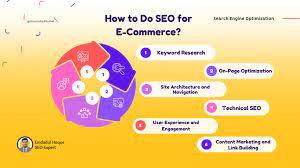
Keyword Research
The first step in any SEO strategy is conducting thorough keyword research. Identify relevant keywords that your target audience is likely to search for. Use tools like Google Keyword Planner or SEMrush to discover high-volume keywords with low competition.
On-Page Optimisation
Optimise your website’s on-page elements to improve its search engine ranking. This includes optimising meta titles, meta descriptions, heading tags, and image alt text with relevant keywords. Ensure that your content is high-quality, engaging, and provides value to your audience.
Technical SEO
Technical SEO involves optimising the technical aspects of your website for better search engine visibility. This includes improving site speed, fixing broken links, creating an XML sitemap, and ensuring mobile responsiveness. Pay attention to factors like site architecture and URL structure.
Link Building
Building quality backlinks from reputable websites is crucial for improving your website’s authority and ranking. Focus on acquiring backlinks from relevant sources within your industry. Guest blogging, social media promotion, and influencer outreach are effective strategies for link building.
Content Marketing
Create compelling and relevant content that resonates with your target audience. Regularly publish blog posts, articles, videos, infographics, and other forms of content that provide value to users. Content marketing not only improves SEO but also helps establish your brand as an authority in your industry.
Monitor and Analyse
Regularly monitor your website’s performance using tools like Google Analytics and Google Search Console. Track key metrics such as organic traffic, keyword rankings, bounce rate, and conversion rate. Analyse the data to identify areas for improvement and adjust your SEO strategy accordingly.
Stay Updated
The field of SEO is constantly evolving due to algorithm updates by search engines like Google. Stay informed about the latest trends and best practices in SEO through industry blogs, webinars, conferences, and online courses. Adapt your strategy to stay ahead of the competition.
By implementing these essential steps and staying committed to continuous improvement, you can effectively enhance your website’s visibility in search engine results pages (SERPs) and drive valuable organic traffic to your site.
Contact us today if you need expert assistance with implementing a successful SEO strategy for your business!
Mastering SEO: Key Questions on Optimisation, Keyword Research, and Effective Strategies
- What is SEO and why is it important?
- How do I conduct keyword research for SEO?
- What are the key on-page optimization techniques for SEO?
- How can I improve my website’s technical SEO?
- What strategies can I use for effective link building in SEO?
- Why is content marketing essential for SEO success?
What is SEO and why is it important?
Search Engine Optimization (SEO) is the practice of enhancing a website’s visibility in search engine results pages through organic, non-paid methods. It involves optimising various aspects of a website, such as content, keywords, and technical elements, to improve its ranking and attract more relevant traffic. SEO is crucial for businesses and website owners as it helps increase their online presence, drive organic traffic, and reach a wider audience. By implementing effective SEO strategies, businesses can improve their brand visibility, credibility, and ultimately boost their online success. In today’s competitive digital landscape, prioritising SEO is essential for staying ahead of the competition and ensuring long-term growth and sustainability.
How do I conduct keyword research for SEO?
To conduct keyword research for SEO effectively, start by brainstorming a list of relevant topics and terms related to your business or industry. Utilise keyword research tools such as Google Keyword Planner, SEMrush, or Ahrefs to identify high-volume keywords with low competition. Consider long-tail keywords that are specific to your niche and target audience. Analyse competitor websites and industry trends to discover valuable keyword opportunities. Remember to focus on user intent and select keywords that align with the content you plan to create. Regularly review and update your keyword strategy to adapt to changing search trends and algorithm updates for optimal SEO performance.
What are the key on-page optimization techniques for SEO?
When it comes to enhancing your website’s search engine visibility through on-page optimization techniques for SEO, several key strategies play a crucial role. Firstly, focusing on keyword placement in meta titles, meta descriptions, heading tags, and throughout the content is essential for signalling relevance to search engines. Secondly, ensuring that your website’s URL structure is clean and user-friendly can improve both user experience and search engine crawling. Additionally, optimizing image alt text with relevant keywords and creating high-quality, informative content that engages users are fundamental aspects of effective on-page SEO. By implementing these key techniques diligently and strategically, you can significantly boost your website’s ranking in search engine results pages (SERPs) and attract valuable organic traffic to your site.
How can I improve my website’s technical SEO?
To enhance your website’s technical SEO, start by conducting a comprehensive audit to identify and address any underlying issues. Focus on improving site speed, ensuring mobile responsiveness, fixing broken links, optimising URL structure, and creating an XML sitemap. Implement structured data markup to help search engines better understand your content. Pay attention to factors like canonical tags, robot.txt files, and HTTPS security protocols. Regularly monitor your website’s performance using tools like Google Search Console and make necessary adjustments based on data insights. By prioritising technical aspects such as these, you can boost your website’s search engine visibility and overall performance in organic search results.
What strategies can I use for effective link building in SEO?
Effective link building is a crucial aspect of any successful SEO strategy. To enhance your website’s authority and improve its search engine rankings, consider implementing various strategies for link building. Focus on acquiring high-quality backlinks from reputable websites within your industry. Engage in guest blogging, collaborate with influencers, participate in industry forums, and leverage social media platforms to create valuable connections and earn relevant inbound links. Additionally, consider creating shareable content that naturally attracts backlinks from other websites. By diversifying your link building tactics and prioritising quality over quantity, you can strengthen your website’s online presence and boost its SEO performance significantly.
Why is content marketing essential for SEO success?
Content marketing is essential for SEO success because high-quality, relevant content plays a crucial role in improving search engine rankings and attracting organic traffic to your website. Search engines like Google prioritise websites that provide valuable, informative content that meets the needs of users. By creating engaging blog posts, articles, videos, and other forms of content, you not only enhance user experience but also increase the likelihood of earning backlinks from other reputable sites. Content marketing helps establish your brand as an authority in your industry and encourages user engagement, ultimately contributing to improved SEO performance and long-term success online.