

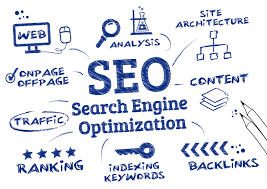
Search Engine Optimization SEO: A Practical Guide to Better Rankings
Search Engine Optimisation (SEO): A Practical Guide
Search engine optimisation (SEO) is the process of improving a website so that it is easier for search engines to understand and more useful to the people who visit it. A well-optimised site can appear more prominently in relevant, unpaid search results, helping potential customers discover its pages, products and services.
SEO is not a quick fix or a guarantee of a particular ranking. It is an ongoing effort to create a technically sound website, publish valuable content and make it easy for people to navigate. Search engines change over time, so effective SEO requires patience, careful measurement and regular improvements.
How SEO works
Search engines use automated programmes, often called crawlers, to discover and examine web pages. They then organise information in an index. When someone searches, the search engine uses a range of signals to decide which indexed pages are likely to be most relevant and helpful.
These signals can include the content of a page, how well it matches a search query, the usability of the website and the links pointing to it. Search algorithms are complex and continually updated, so no single tactic can guarantee a top position. The strongest approach is to make a website genuinely useful, accessible and trustworthy.
The main areas of SEO
Technical SEO
Technical SEO focuses on whether search engines can access, crawl and understand a website. It also covers aspects of the experience visitors have when using it. Useful checks include:
- Making sure important pages can be crawled and indexed.
- Using a clear site structure and logical internal links.
- Ensuring the website works well on mobile devices.
- Improving page loading speed and overall performance.
- Using secure HTTPS connections.
- Fixing broken links, duplicate pages and confusing redirects.
- Providing accurate page titles, descriptions and structured data where appropriate.
Technical improvements can help search engines interpret a site, but they should also make the website easier and more reliable for visitors to use.
On-page SEO
On-page SEO is the work carried out on individual pages. It includes the words and information on the page, as well as elements that help readers and search engines understand its purpose.
Start by identifying what your intended audience is looking for. Search terms can offer useful clues, but content should be written for people rather than created simply to repeat keywords. Include relevant phrases naturally in the page title, headings and body text where they fit. Each page should address a clear topic and provide enough detail to meet the reader’s needs.
Other helpful practices include writing descriptive headings, using concise and informative page titles, adding useful image descriptions and linking to related pages on your site. Avoid duplicating content across multiple pages or filling text with repetitive keywords; these approaches can make pages less useful and harder to read.
Content and quality
Good content is central to sustainable SEO. It should be accurate, clear, original and relevant to the people you want to reach. Depending on your website, useful content might include product information, service pages, practical guides, FAQs, research or news.
Before publishing, consider the questions a reader is likely to have. Does the page answer them clearly? Is the information up to date? Are claims supported, and are next steps easy to find? Reviewing and improving existing pages can be just as valuable as creating new ones.
Off-page SEO
Off-page SEO refers to signals and activity beyond your own website. Links from relevant, reputable websites can help people find your content and provide context about your site. They are most valuable when earned because the content is genuinely useful, rather than obtained through manipulative schemes.
Building relationships, sharing expertise and creating material that others want to reference can support this process. Avoid buying links or participating in link schemes: such tactics can put a website’s search visibility at risk.
Local SEO
Local SEO helps businesses appear when people search for products or services in a particular area. Keep your business name, address and telephone number accurate and consistent across relevant listings. Maintain your business profile on suitable platforms, provide clear opening hours and invite genuine customer feedback.
Local pages should give useful information about the services available in each area. Avoid creating large numbers of near-identical pages that offer little value to visitors.
How to measure SEO progress
SEO results take time, and rankings can vary according to the search, location, device and other factors. Rather than focusing on one keyword position, track a range of measures, such as:
- Organic visits to important pages.
- Search impressions, clicks and click-through rates.
- Conversions, enquiries, sales or other meaningful actions.
- Which pages and search queries are bringing relevant visitors.
- Technical issues, such as indexing errors or broken pages.
Use analytics and search performance tools to establish a baseline, then review results regularly. A rise in traffic is not necessarily a success if visitors are not finding what they need, so connect SEO reporting to your wider business goals.
Common SEO mistakes to avoid
- Expecting instant results: SEO often takes months of consistent work, particularly in competitive markets.
- Writing for algorithms instead of people: Unnatural, repetitive content is difficult to read and rarely serves visitors well.
- Ignoring mobile users: Pages should be easy to read and use on smaller screens.
- Publishing without a purpose: Every page should have a clear audience and reason to exist.
- Using misleading tactics: Hidden text, paid link schemes and copied content can damage trust and visibility.
- Failing to review older pages: Out-of-date information can reduce a page’s usefulness.
Getting started with SEO
A practical starting point is to review your website from a visitor’s perspective. Check that key pages load correctly, explain your offer clearly and provide a straightforward next step. Research the questions your audience asks, improve the pages that matter most and make sure search engines can access them.
SEO works best as part of a broader digital strategy. By combining technical health, helpful content and a positive user experience, you can build a stronger foundation for visibility in search results and make your website more valuable to the people it serves.
9 Essential Tips for Effective Search Engine Optimisation
- Research keywords your audience actually uses.
- Write clear, descriptive page titles.
- Create useful, original content.
- Use headings to organise each page.
- Make pages easy to use on mobile.
- Improve page loading speed.
- Add descriptive alt text to images.
- Earn links from reputable websites.
- Check SEO performance regularly.
Research keywords your audience actually uses.
Researching the keywords your audience actually uses helps you create content that matches what people are looking for. Explore the questions and phrases they enter into search engines, using tools such as keyword planners, search suggestions and customer feedback for ideas. Consider the intent behind each search: someone looking for general advice may need an informative guide, while someone comparing services may be closer to making a decision. Use relevant terms naturally in your content, headings and page titles, and focus on answering the searcher’s needs rather than repeating keywords for their own sake.
Write clear, descriptive page titles.
Write clear, descriptive page titles that accurately explain what each page is about and help people decide whether it matches their search. Keep titles concise, place the most important information near the beginning and make each one unique across your website. Include relevant search terms naturally, but avoid keyword stuffing or vague wording. A useful title benefits both visitors and search engines by setting clear expectations before someone clicks.
Create useful, original content.
Create useful, original content that answers your audience’s questions and helps them solve real problems. Before writing, consider what readers need to know, then present accurate information in a clear, engaging way. Avoid copying other websites or adding content simply to include keywords; distinctive, genuinely helpful pages are more likely to earn readers’ trust, encourage them to stay and share your work, and support long-term SEO.
Use headings to organise each page.
Use clear, descriptive headings to organise each page and guide readers through its content. A logical structure—with one main heading followed by relevant subheadings—makes information easier to scan and understand, especially on mobile devices. Headings also help search engines interpret the topics covered on the page, so use them to reflect the content accurately rather than simply to add keywords.
Make pages easy to use on mobile.
Make your pages easy to use on mobile by ensuring text is readable without zooming, buttons are simple to tap and menus are straightforward to navigate. Keep layouts clear, avoid content that spills off the screen, and optimise images so pages load quickly on mobile connections. A smooth mobile experience helps visitors find what they need and supports your wider SEO efforts.
Improve page loading speed.
Improving page loading speed can make your website more convenient to use and help visitors find information without unnecessary delays. Compress large images, remove unused scripts and plugins, and consider reliable hosting or browser caching to reduce loading times. Test your pages regularly on mobile and desktop devices, as performance can vary between them. Faster pages support a better user experience and can contribute to stronger SEO, although speed is only one of many factors search engines consider.
Add descriptive alt text to images.
Add descriptive alt text to images so people using screen readers can understand what each image shows, and search engines can better interpret its context. Keep the wording concise and specific, describing the image’s purpose rather than listing keywords. For decorative images that add no meaningful information, use empty alt text so assistive technology can skip them.
Earn links from reputable websites.
Earning links from reputable websites can strengthen your SEO by helping people discover your content and signalling that it may be a useful, trustworthy resource. Focus on creating original, valuable material that others will genuinely want to reference, such as expert insights, practical guides or well-researched data. You can also build relationships with relevant organisations and contribute useful commentary to your industry. Avoid buying links or taking part in schemes designed to manipulate rankings; prioritise quality and relevance over the number of links.
Check SEO performance regularly.
Check your SEO performance regularly to understand what is working and where your website could improve. Use analytics and search performance tools to monitor organic visits, impressions, clicks, rankings and meaningful actions such as enquiries or sales. Reviewing these results over time can reveal useful trends, highlight pages that need updating and help you make informed changes. SEO takes time, so focus on consistent progress rather than reacting to every short-term fluctuation.