
How to Achieve a Top Search Engine Ranking
How to Achieve a Top Search Engine Ranking
A top search engine ranking can help more people discover your website, products or services. But earning a prominent position in search results takes more than adding a few keywords to a page. It calls for useful content, a well-structured website and a consistent focus on the needs of your audience.
Search engines regularly update how they assess and display pages, so there is no guaranteed shortcut to the top. The strongest approach is to make your site easy to find, understand and use.
Understand what your audience is searching for
Effective search engine optimisation (SEO) begins with understanding the questions and needs behind a search. Someone looking for “running shoes” may be ready to compare products, while someone searching “how to choose running shoes” may be looking for advice.
Research the terms your potential visitors use, then group them by topic and intent. Consider:
- The questions your customers frequently ask
- The products, services or information they want to find
- How specific or broad their searches are
- Whether they are researching, comparing options or ready to take action
Use relevant search terms naturally in your page title, headings and copy. Avoid forcing keywords into every sentence; content should read clearly for people first.
Create helpful, original content
Search engines aim to show pages that satisfy a searcher’s needs. Make each page genuinely useful by answering the main question clearly, providing accurate information and offering details that help readers take their next step.
Before publishing, check that your content:
- Has a clear purpose and is written for a specific audience
- Provides practical information rather than repeating generic advice
- Uses descriptive headings to make it easy to scan
- Is accurate, well-written and kept up to date where necessary
- Includes relevant images, examples or evidence where these add value
There is no ideal word count for every page. Focus on covering the subject well, rather than making content longer simply to reach a target.
Make your website easy to navigate
A clear site structure helps visitors find what they need and helps search engines understand how your pages relate to one another. Organise information into logical sections, use descriptive navigation labels and link related pages together.
Internal links can guide visitors to useful related content. For example, an informative article might link to a relevant service page or a more detailed guide. Use link text that describes the destination, rather than relying on vague phrases such as “click here”.
Improve technical SEO
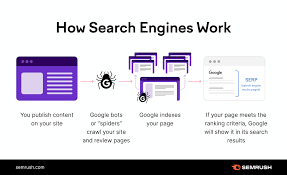
Technical issues can make it harder for search engines to access, understand or display your pages. Check that your website:
- Can be crawled and indexed correctly
- Uses secure HTTPS connections
- Works well on mobile devices
- Loads promptly and responds reliably
- Has a logical URL structure and no unnecessary duplicate pages
- Includes an XML sitemap and appropriate page metadata
Page speed and usability matter to visitors as well as to the overall quality of their experience. Test your site regularly, particularly after making design or platform changes.
Write clear titles and descriptions
Page titles help describe the subject of a page, while meta descriptions can provide searchers with a useful summary. Write a unique, accurate title for each important page and make its purpose clear. Descriptions should be engaging and relevant, but avoid promises that the page does not fulfil.
Search engines may choose to display different text in results, so these elements do not guarantee a particular listing. They are still worth writing carefully because they help communicate what a page offers.
Earn relevant links and build credibility
Links from other websites can help people discover your content and may contribute to how search engines assess your site. Focus on earning links naturally by creating useful resources, sharing original research, contributing expertise and building genuine relationships in your field.
Avoid buying links or using schemes designed to manipulate rankings. Such tactics can put your website at risk and rarely provide lasting value. Relevance and trust matter more than simply collecting a large number of links.
Measure results and keep improving
SEO is an ongoing process. Use analytics and search performance tools to understand which pages attract visitors, what searches lead people to your site and where improvements may be needed.
Review results over time rather than reacting to every small change. If a page is receiving impressions but few visits, consider whether its title and description clearly reflect the search. If visitors arrive but do not find what they need, revisit the page’s content, layout and calls to action.
A sustainable approach to search rankings
Top search engine rankings are not achieved overnight, and no agency or technique can guarantee a particular position. A sustainable SEO strategy combines audience research, helpful content, sound technical foundations and regular measurement. By focusing on the experience you provide, you can improve your chances of earning visibility and attracting visitors who are genuinely interested in what your website offers.
5 Essential Tips for Achieving Top Search Engine Rankings
- Create useful, original content that meets searchers’ needs.
- Use relevant keywords naturally in headings and copy.
- Optimise page speed and mobile usability.
- Earn quality backlinks from reputable websites.
- Write clear page titles and meta descriptions.
Create useful, original content that meets searchers’ needs.
Create useful, original content that directly meets searchers’ needs. Start by understanding the questions your audience is asking, then provide clear, accurate answers and practical information that help them take the next step. Avoid simply repeating what is already available or adding keywords unnaturally; instead, offer a fresh perspective and make the page easy to read. Content that genuinely helps visitors is more likely to earn trust, encourage engagement and support stronger search visibility over time.
Use relevant keywords naturally in headings and copy.
Use relevant keywords naturally in your headings and copy to help search engines understand what each page is about and help readers find the information they need. Choose terms that reflect the topic and match the language your audience uses, then include them where they make sense. Avoid repeating keywords just to influence rankings: clear, useful writing is more engaging for readers and creates a better experience.
Optimise page speed and mobile usability.
Optimise your page speed and mobile usability to give visitors a smooth experience and make it easier for search engines to access and understand your site. Compress images, reduce unnecessary scripts and test loading times, while ensuring pages display clearly on smaller screens, with readable text, simple navigation and easy-to-use buttons. A fast, mobile-friendly website can help keep visitors engaged and support your wider search engine optimisation efforts.
Earn quality backlinks from reputable websites.
Earn quality backlinks from reputable websites to strengthen your site’s credibility and help search engines understand that your content is useful and trustworthy. Focus on creating valuable resources that others will naturally want to reference, such as original research, expert guides or practical tools. You can also build genuine relationships with relevant publishers and industry organisations. Prioritise links that are relevant and earned naturally, rather than buying links or taking part in schemes designed to manipulate rankings.
Write clear page titles and meta descriptions.
Write a clear, unique page title and meta description for every important page on your website. The title should accurately describe the page and include its main topic where it feels natural, while the description should briefly explain what visitors will find and why it may be useful. Keep both concise and relevant, and avoid misleading claims or cramming in keywords. Search engines may choose to display different text in results, but well-written titles and descriptions can help people understand your page and decide whether to visit.