

Search Engine Ranking Report: How to Track and Improve Your Search Performance
Search Engine Ranking Report: What It Is and How to Use It
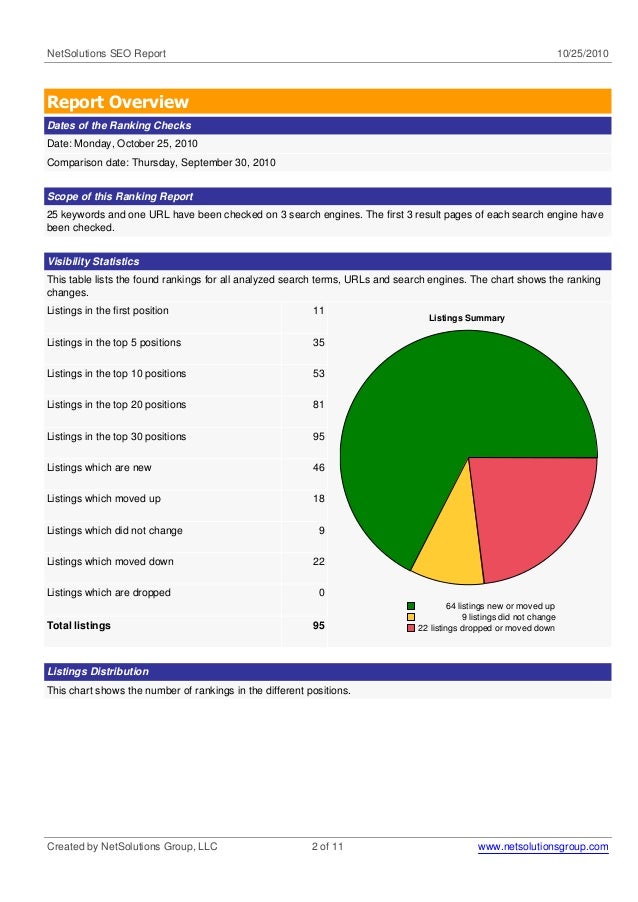
A search engine ranking report shows where a website appears in search results for selected keywords. It helps website owners and marketing teams understand how visible their pages are, track changes over time and identify opportunities to improve organic search performance.
A ranking report is most useful when it is considered alongside other information, such as website visits, clicks and conversions. A position on its own does not tell the whole story, but consistent tracking can reveal useful patterns and guide decisions.
What Does a Search Engine Ranking Report Include?
The contents vary depending on the reporting tool, but a typical report may include:
- Keywords: The search terms being monitored.
- Ranking position: Where a page appears in the search results for a keyword.
- Landing page: The page associated with that search term.
- Position changes: How rankings have moved since the previous report.
- Search location and device: The country, region or device used for the tracked search.
- Search visibility: An estimate of how prominently a website appears across its tracked keywords.
Some reports also include estimated search volumes, competitors’ rankings or search-result features, such as local listings and featured snippets. These figures should be treated as estimates, particularly when supplied by third-party tools.
Why Are Ranking Reports Useful?
Ranking reports can help answer practical questions about a website’s organic search presence. For example, they can show whether important pages are gaining visibility, whether a recent website change coincides with ranking movement, or whether a relevant keyword is not performing as expected.
They can also help teams:
- Monitor progress towards search visibility goals.
- Spot keywords that are improving or declining.
- Find pages that may need clearer content or stronger internal links.
- Compare visibility with selected competitors.
- Share search performance updates with colleagues or clients.
How to Read Ranking Data
Search positions can fluctuate. Search engines may adjust their results, competitors may update their pages, and rankings can vary according to location, device and search context. For that reason, a single position change is rarely enough to draw a firm conclusion.
Look for sustained movement over a meaningful period, and compare like with like: the same keywords, location, device settings and reporting method. It is also helpful to distinguish between a keyword’s ranking and the performance of the page that appears for it. If the wrong page is ranking, the issue may be one of content structure or search intent rather than simply a lack of optimisation.
Rankings Are Only One Part of SEO Performance
A high ranking can increase the chance of being seen, but it does not guarantee visits or business results. A page may rank well for a term that attracts few searches, or its title and description may not persuade people to click. Similarly, traffic is valuable only if it reaches the right audience and supports the website’s aims.
For a fuller picture, review ranking data alongside:
- Impressions and clicks: How often pages appear in search results and how often people visit them.
- Click-through rate: The proportion of impressions that result in clicks.
- Organic traffic: Visits from unpaid search results.
- Conversions: Useful actions, such as enquiries, purchases or sign-ups.
- Technical health: Issues that could affect crawling, indexing or page experience.
How to Create a Useful Ranking Report
- Choose relevant keywords. Focus on search terms that reflect your audience, services and business goals, rather than tracking a large list without a clear purpose.
- Set consistent tracking conditions. Record the search engine, location, language and device where relevant.
- Connect keywords to pages. Note which page is intended to meet each search need.
- Choose an appropriate reporting period. Weekly checks can help identify sudden changes, while monthly summaries are often easier for assessing broader trends.
- Add context. Record significant site changes, content updates or campaign activity that may help explain changes in performance.
- Turn findings into actions. Use the report to prioritise investigation and improvements, rather than treating it as a scorecard alone.
Common Mistakes to Avoid
- Focusing on one keyword: A narrow view can hide wider changes in visibility and traffic.
- Expecting identical results everywhere: Search results can differ by location, device and personal context.
- Reacting to every movement: Short-term fluctuations do not always indicate a lasting change.
- Ignoring search intent: A page may struggle if it does not answer the question behind the search.
- Confusing ranking with revenue: Business outcomes depend on more than search position.
Making the Report Actionable
A good search engine ranking report is clear, consistent and focused on decisions. It shows what is changing, which pages and keywords matter, and what should be investigated next. When combined with traffic, engagement and conversion data, it can help build a more reliable picture of organic search performance and support better-informed SEO work.
Comprehensive Insights: The Benefits of Search Engine Ranking Reports
- Tracks keyword positions over time.
- Highlights ranking gains and declines.
- Reveals opportunities to improve visibility.
- Helps assess SEO progress.
- Identifies pages needing attention.
- Supports competitor comparisons.
- Guides content improvements.
- Makes performance easier to communicate.
Understanding the Limitations of Search Engine Ranking Reports: Key Challenges to Consider
- Rankings can fluctuate frequently.
- Reports may not reflect personalised search results.
- High rankings do not guarantee clicks.
- Tracking tools may use estimated data.
- Reports can overlook conversions and revenue.
- Too many keywords can make results hard to interpret.
Tracks keyword positions over time.
A search engine ranking report tracks keyword positions over time, making it easier to see whether your pages are gaining or losing visibility in search results. By reviewing these changes regularly, you can spot longer-term trends, assess the impact of SEO updates and identify keywords that may need further attention.
Highlights ranking gains and declines.
A search engine ranking report highlights which keywords are gaining or losing positions over time. This makes it easier to spot successful SEO work, identify pages that may need attention and respond to changes before they have a greater impact on your website’s visibility.
Reveals opportunities to improve visibility.
A search engine ranking report can reveal opportunities to improve your website’s visibility by showing which relevant keywords are performing below their potential. If a page is close to the top of search results, refining its content, title or internal links may help it reach more people. The report can also highlight valuable search terms for which your site has little or no visibility, helping you identify topics and pages worth developing.
Helps assess SEO progress.
A search engine ranking report helps assess SEO progress by showing how a website’s positions for important keywords change over time. By reviewing consistent data alongside clicks, traffic and conversions, you can see whether your optimisation efforts are improving visibility and identify pages or search terms that may need further attention.
Identifies pages needing attention.
A search engine ranking report can identify pages that may need attention by highlighting keywords with falling positions, limited visibility or weaker performance than expected. This gives website owners a useful starting point for reviewing whether a page answers the searcher’s needs, has up-to-date information and is easy for search engines to understand. Addressing these issues can help improve the page’s visibility and usefulness over time.
Supports competitor comparisons.
A search engine ranking report supports competitor comparisons by showing how your website performs against others for the same relevant keywords. Tracking these differences over time can highlight where competitors are gaining visibility, which topics or search terms may be worth exploring, and where your pages could be improved. Competitor rankings are a useful reference point, but should be considered alongside factors such as search intent, content quality and organic traffic.
Guides content improvements.
A search engine ranking report can guide content improvements by showing which pages perform well and which have room to grow. If a page ranks lower than expected for a relevant search term, reviewing its content can reveal ways to better match what people are looking for. The report may also highlight topics to expand, questions to answer more clearly or related keywords to include naturally. This helps prioritise useful updates based on evidence, rather than guesswork.
Makes performance easier to communicate.
A search engine ranking report makes performance easier to communicate by presenting keyword positions and changes in a clear, organised format. Instead of relying on technical explanations or scattered data, teams can use the report to show colleagues, clients or stakeholders how search visibility is developing, highlight areas of progress and explain where further work may be needed.
Rankings can fluctuate frequently.
One drawback of a search engine ranking report is that rankings can fluctuate frequently. Search results may change as search engines update their algorithms, competitors revise their pages, or results vary by location and device. This can make short-term movements difficult to interpret and may lead to unnecessary concern if every rise or fall is treated as significant. It is usually more helpful to look for sustained trends over time and consider rankings alongside traffic, clicks and conversions.
Reports may not reflect personalised search results.
One limitation of a search engine ranking report is that it may not reflect the personalised results seen by every user. Search engines can tailor results according to factors such as location, language, device and search history, while reporting tools generally check rankings under set conditions. As a result, a reported position is best treated as an indication of visibility rather than an exact account of what every potential customer sees.
High rankings do not guarantee clicks.
A high position in search results does not guarantee that people will click through to your website. Searchers may choose another result with a more compelling title or description, find the answer directly on the results page, or decide that your page does not match what they need. For this reason, ranking data should be reviewed alongside impressions, click-through rates and website visits to understand whether visibility is translating into actual traffic.
Tracking tools may use estimated data.
One limitation of a search engine ranking report is that tracking tools may rely on estimated data rather than exact figures. Search results can vary by location, device and personal context, so a tool’s reported position or search volume may not match what every user sees. Treat these figures as useful indicators of broader trends, rather than precise measurements, and compare them with data from other sources where possible.
Reports can overlook conversions and revenue.
One limitation of a search engine ranking report is that it can focus on positions and visibility while overlooking conversions and revenue. A keyword may rank well and attract visitors, but that traffic may not lead to enquiries, purchases or other valuable actions. To understand the true impact of SEO, ranking data should be considered alongside conversion rates, sales and revenue figures.
Too many keywords can make results hard to interpret.
Tracking too many keywords can make a search engine ranking report difficult to interpret. A long list may bury meaningful trends beneath minor fluctuations, making it harder to see which terms matter most to your audience and business goals. Focusing on a smaller, carefully chosen set of relevant keywords can make the report clearer and help you prioritise effective actions.