

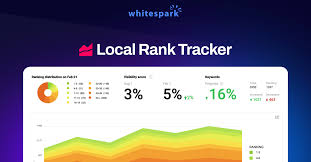
Local Keyword Rank Tracking: A Practical Guide for UK Businesses
Local Keyword Rank Tracking: A Practical Guide
When people search for a nearby service, the results they see can depend on where they are, what they search for and which device they use. A business may appear near the top of the results in one neighbourhood but much lower a few miles away. Local keyword rank tracking helps you understand these differences and measure how visible your business is to potential customers in the areas you serve.
What is local keyword rank tracking?
Local keyword rank tracking is the process of monitoring where a website or business profile appears in search results for location-based searches. These searches might include a place name, such as “plumber in Bristol”, or imply local intent, such as “plumber near me”.
Tracking can cover traditional organic listings, local map results and, where relevant, other prominent search features. Because results can vary by location, useful tracking looks beyond a single ranking for an entire city. It considers the specific towns, postcodes or neighbourhoods that matter to the business.
Why local rankings vary
Search engines aim to show results that are relevant to the searcher’s location and needs. As a result, two people searching for the same phrase may see different businesses. Common influences include:
- Searcher location: A search made in one part of a city may produce different local results from a search made elsewhere.
- Search intent: A phrase such as “emergency electrician” may produce different results from “electrician prices”.
- Competition: The number and strength of local businesses competing for a search can differ between areas.
- Business information: Accurate details, relevant categories and a complete business profile can help search engines understand what a business offers and where it operates.
- Website relevance and authority: Useful local pages, strong links and clear service information can contribute to organic visibility.
How to track local keywords effectively
Choose keywords that reflect real customer searches
Start with the services or products that matter most to the business. Then consider how customers describe them, the locations they mention and the questions they ask. A local keyword list might include:
- Service and location terms, such as “accountant in Leeds”
- “Near me” searches, such as “dog groomer near me”
- Service-specific searches, such as “boiler repair in Cardiff”
- Local questions, such as “how much does a roofer cost in York?”
- Brand searches, including the business name and variations of it
Avoid building a list around every possible combination of service and location. Focus on terms that match the business’s actual services, target areas and likely customer intent.
Define the locations that matter
Decide which places the business genuinely serves. Depending on the business, this could mean a single town, several suburbs, a set of postcodes or a wider service area. Tracking at a more detailed level can reveal local differences that a city-wide average may hide.
For a business with a physical premises, it can be useful to monitor visibility around its location as well as in nearby areas. A service-area business should focus on locations it can realistically reach, rather than adding places solely to increase the size of its keyword list.
Use a consistent tracking method
Search results can change according to location, device and time. A manual search from one computer is therefore a poor way to measure performance across multiple areas. Use a reputable rank-tracking platform that allows you to set target locations and monitor the types of results that matter to your business.
Keep the setup consistent from one reporting period to the next. If you change the location, device or search settings, rankings may no longer be directly comparable.
Track map and organic results separately
Local map results and traditional organic listings are different types of visibility. A business might perform well in map results but have limited visibility in the standard listings, or the other way round. Report on them separately where your tracking tools allow it, and consider how each result type contributes to visits, calls or enquiries.
Review more than rankings
Rankings provide useful context, but they do not tell the whole story. Pair them with measures such as:
- Organic visits from relevant locations
- Calls, bookings, form submissions or other enquiries
- Clicks and impressions from search performance reports
- Visits and actions from the business profile
- Conversions and revenue, where these can be measured reliably
This broader view helps distinguish a ranking change from a genuine change in business outcomes.
How often should you check local rankings?
For most businesses, weekly or monthly reviews are enough to identify meaningful trends. Checking rankings several times a day can create noise, as small fluctuations are common and do not always require action. Review performance more closely after a major website update, a change to business information or a significant shift in local competition.
Keep a record of important changes. Adding new service pages, updating a business profile or earning relevant local links may affect performance over time, but results are rarely immediate. Notes make it easier to connect activity with longer-term trends.
Common local rank-tracking mistakes
- Relying on one search location: A single viewpoint cannot represent visibility across a whole service area.
- Tracking too many keywords: A large list can be difficult to manage and may include terms with little relevance to customers.
- Focusing only on the top position: A ranking is one indicator, not proof that a campaign is succeeding.
- Ignoring search intent: A keyword may attract visitors who are not looking for the service the business provides.
- Expecting map results to be uniform: Local map visibility can vary significantly from one area to another.
- Making changes based on short-term fluctuations: Check for sustained patterns before drawing conclusions.
- Comparing inconsistent data: Keep location settings, keyword definitions and reporting periods consistent.
Turning tracking data into action
Rank tracking is most useful when it informs practical decisions. If visibility is weak for a valuable service in a particular area, review whether the website clearly explains that service and location. Check that business details are accurate and consistent, and make sure the relevant pages are useful to local customers.
If rankings are strong but enquiries are low, consider whether the page meets the searcher’s needs, whether contact details are easy to find and whether the offer is clear. If visibility varies between neighbourhoods, investigate local competitors and the relevance of the business’s information in those areas.
Avoid creating thin pages for every town or repeating place names unnaturally. Local content should offer genuine value, such as clear service information, practical advice or details that are specific to the area.
Conclusion
Local keyword rank tracking gives businesses a clearer picture of how visible they are to people searching in the places they serve. The most useful approach combines relevant keywords, precise location settings and consistent reporting. By measuring map and organic visibility alongside traffic and enquiries, businesses can use ranking data to guide improvements rather than treating rankings as the end goal.
8 Essential Tips for Effective Local Keyword Rank Tracking
- Track rankings by town, postcode or neighbourhood.
- Use a consistent location setting for every check.
- Monitor Google Maps and organic results separately.
- Track local keywords with service and area names.
- Compare mobile and desktop rankings.
- Check rankings regularly, not just once.
- Record competitors appearing in local results.
- Use trends to guide local content and listings.
Track rankings by town, postcode or neighbourhood.
Track local keyword rankings by town, postcode or neighbourhood rather than relying on a single city-wide position. Search results can vary considerably from one area to another, so more precise tracking shows where your business is visible and where it may need improvement. Focus on locations you genuinely serve, and compare results consistently over time to identify meaningful changes.
Use a consistent location setting for every check.
Use the same location setting every time you check local keyword rankings. Search results can vary significantly between towns, postcodes and even neighbourhoods, so changing the location makes it difficult to compare results fairly. Choose the areas most relevant to your business and keep them consistent across each report. This helps you spot genuine changes in visibility rather than differences caused by where the search was made.
Monitor Google Maps and organic results separately.
Monitor Google Maps and organic results separately, as they represent different types of local visibility and can perform differently. Your business might appear prominently in map results but rank lower in standard organic listings, or vice versa. Tracking each separately helps you spot where visibility is strongest, identify areas for improvement and understand which results are driving visits, calls and enquiries.
Track local keywords with service and area names.
Track local keywords by combining the services you offer with the names of the towns, neighbourhoods or areas you serve. Phrases such as “electrician in Bristol” or “dog groomer in Headingley” can reveal how visible your business is to people searching for specific services nearby. Focus on locations you genuinely cover, and review each area separately, as rankings can vary from one neighbourhood to another.
Compare mobile and desktop rankings.
Compare mobile and desktop rankings when tracking local keywords, as search results can differ by device. People searching on a phone may be on the move and looking for an immediate local option, while desktop users may be researching services in more detail. Check both regularly and keep the location and tracking settings consistent. This helps reveal where your visibility is strongest and whether your website and local business information are meeting the needs of customers on each device.
Check rankings regularly, not just once.
Check your local keyword rankings regularly rather than relying on a single snapshot. Search results can fluctuate as competitors make changes, your website is updated and local search patterns shift. Reviewing them on a consistent schedule—such as weekly or monthly—helps you spot lasting trends, assess the impact of your SEO work and respond to changes in the areas you serve. Keep your tracking locations and settings consistent so each comparison is meaningful, and avoid overreacting to small, short-term movements.
Record competitors appearing in local results.
Record which competitors appear alongside your business in local search results, including map listings and organic results, and note the locations and keywords where they feature. Reviewing these businesses over time can reveal who is gaining visibility, which areas are more competitive and whether new rivals are entering the market. Use these insights to identify opportunities to improve your local pages, business profile and customer offering, rather than simply copying competitors’ tactics.
Use trends to guide local content and listings.
Use ranking trends to identify where your local content and listings could be improved. If visibility is rising for a particular service or area, build on that momentum with useful, locally relevant information and keep your business details up to date. If rankings are consistently weak, review whether your pages clearly match local search intent and whether your business listings are complete and accurate. Base changes on sustained patterns rather than brief fluctuations, and measure whether improvements lead to more visits and enquiries.