

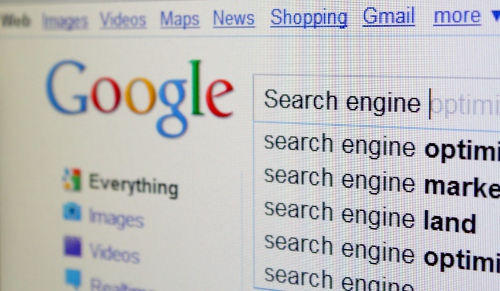
How to Use a Keyword Search Engine to Find the Right Search Terms
Keyword Search Engines: How to Find the Right Search Terms
A keyword search engine is a tool that helps people discover the words and phrases they enter into search engines such as Google and Bing. For website owners, marketers and content creators, these tools can reveal what audiences are looking for and help shape useful, relevant content.
Finding the right keywords is an important part of search engine optimisation (SEO). It can help a website appear in search results, attract visitors with a genuine interest in its content and answer questions people are already asking.
What is a keyword search engine?
The term “keyword search engine” can refer to a keyword research tool rather than a conventional search engine. These tools collect and organise information about search terms, including estimated search volume, competition, related phrases and changes in interest over time.
For example, someone researching the phrase “running shoes” might find related searches such as “best running shoes for beginners” or “trail running shoes”. These more specific phrases can help content creators understand what different searchers need.
Why keyword research matters
Keyword research helps you make informed decisions about the content you create and the language you use. Rather than guessing what an audience wants, you can explore the terms people use when searching for information, products or services.
- Understand your audience: Search terms can highlight people’s questions, needs and interests.
- Plan relevant content: Keywords can inspire articles, product pages and guides that address real searches.
- Improve discoverability: Using appropriate terms naturally can help search engines understand what a page is about.
- Identify opportunities: Related and more specific searches may reveal topics that are less competitive.
Common features of keyword research tools
Keyword tools vary, but many provide several useful types of information:
- Search volume: An estimate of how often a term is searched during a given period.
- Keyword difficulty: An estimate of how challenging it may be to compete for a term in organic search results.
- Related keywords: Alternative phrases and closely connected topics.
- Search intent: An indication of what a person may be trying to achieve, such as learning, comparing or buying.
- Trends: Information showing how interest in a term changes over time or across locations.
These figures are estimates, not guarantees. Search volumes and difficulty scores can differ between tools, so use them as guidance rather than treating them as exact measurements.
How to use a keyword search engine
- Start with a topic. Choose a subject closely related to your website, service or audience.
- Enter a broad phrase. Use a simple starting term to find related searches and questions.
- Explore specific phrases. Longer searches, often called long-tail keywords, can reveal more focused needs.
- Check intent. Consider whether searchers want information, a particular website, a comparison or a product to buy.
- Assess relevance and competition. Choose terms that suit your content and are realistic for your website to target.
- Build a content plan. Group related terms by topic and create pages that answer the underlying questions.
- Review performance. Use analytics and search performance data to see which pages attract visitors and where improvements may be needed.
Choosing the right keywords
The most popular keyword is not always the best choice. A broad term may attract a large audience but also face strong competition and unclear search intent. A more specific phrase may have fewer searches, yet bring visitors who are looking for exactly what your page offers.
For example, a local shop may find “bicycle repairs in Bristol” more useful than the broad term “bicycles”. The more specific phrase gives clearer information about the searcher’s needs and location.
Good keyword choices should be relevant to your subject, useful to your audience and appropriate for the page. Avoid selecting a term solely because its estimated search volume is high.
Use keywords naturally
Once you have chosen your target terms, include them where they make sense, such as in a page title, main heading and relevant sections of the text. Related phrases can also help explain a topic clearly.
There is no need to repeat a keyword unnaturally. Search engines aim to provide helpful results, and content written primarily to repeat search terms can be difficult to read. Focus on answering the visitor’s question accurately and thoroughly.
Getting started
A keyword search engine can be a valuable part of a wider SEO strategy, but research is only the starting point. The strongest results come from combining keyword insights with helpful content, a well-organised website and a good experience for visitors.
Begin with the questions your audience is likely to ask, explore the language they use and create pages that meet those needs. With regular research and review, keywords can help guide a practical, audience-focused content strategy.
8 Essential Tips for Effective Keyword Search Optimisation
- Choose specific keywords rather than broad terms.
- Put the most important words first.
- Use quotation marks to search for an exact phrase.
- Try synonyms if results are limited.
- Add relevant location names for local searches.
- Use minus signs to exclude unwanted terms.
- Check spelling and try common variants.
- Review results from more than one search engine.
Choose specific keywords rather than broad terms.
Choose specific keywords rather than broad terms to reach people who are searching for something precise. For example, “waterproof walking boots for women” gives a clearer indication of a searcher’s needs than “boots”. Although specific phrases may have fewer searches, they can face less competition and attract visitors who are more likely to find your content useful.
Put the most important words first.
Put the most important words first when entering a search query or choosing a target keyword. This helps clarify the main topic straight away and can make results more relevant. For example, instead of searching for “where can I find affordable waterproof walking boots?”, try “affordable waterproof walking boots”. Keep the phrase natural and specific, and add extra details only when you need to narrow the results.
Use quotation marks to search for an exact phrase.
Use quotation marks to search for an exact phrase. By placing your words inside quotation marks, you ask the search engine to find pages containing those words in the same order. This can make results more precise, whether you’re looking for a specific quotation, checking how a phrase is used online or narrowing down a broad search.
Try synonyms if results are limited.
If a keyword search engine returns only a few results, try searching for synonyms and related phrases. People may describe the same topic in different ways, so alternatives can uncover useful pages and ideas you might otherwise miss. For example, searching for “car hire” as well as “car rental” may reveal a broader range of results.
Add relevant location names for local searches.
Add relevant location names to your keywords to reach people searching for local products or services. For example, a plumber in Leeds could target phrases such as “emergency plumber in Leeds” or “boiler repairs near Headingley”. Choose locations that genuinely match the areas you serve, and include them naturally in your page titles and content. This helps search engines connect your business with nearby searches and makes it easier for local customers to find you.
Use minus signs to exclude unwanted terms.
Use a minus sign to exclude words you don’t want included in your search results. For example, searching for jaguar -car can help narrow results to information about the animal rather than the vehicle. Place the minus sign directly before the term you want to leave out, with a space before the minus sign, and try different exclusions to make your search more relevant.
Check spelling and try common variants.
When using a keyword search engine, check your spelling and try common variants of your search term. People may use different spellings, plurals, abbreviations or alternative phrases, and exploring these can reveal useful search terms you might otherwise miss. Compare the results and choose wording that accurately reflects your audience’s language and the content you plan to create.
Review results from more than one search engine.
Review results from more than one search engine to get a broader picture of how people search. Different platforms may suggest different keywords, questions and trends, reflecting the needs and habits of their users. Comparing these results can help you spot useful phrases you might otherwise miss and choose keywords that are relevant across a wider audience.