

Best Search Engine Ranking: A Practical Guide to Better Visibility
How to Achieve the Best Search Engine Ranking
Appearing near the top of search results can help more people discover your website, but strong rankings rarely happen overnight. Search engines aim to show users useful, relevant and trustworthy pages. The best approach is to build a website that meets those needs while making it easy for search engines to understand.
There is no guaranteed shortcut to the top position. Search algorithms change, and rankings can vary by location, device and search query. However, a consistent focus on helpful content, sound technical foundations and a good visitor experience can improve your chances of being found.
Understand what your audience is searching for
Effective search engine optimisation (SEO) starts with understanding your audience. Consider the questions people ask, the problems they are trying to solve and the words they use when looking for products or services like yours.
Keyword research can help uncover these searches. Look beyond broad, highly competitive terms and consider more specific phrases. A search such as “accountant” may be difficult to compete for, while “small business accountant in Bristol” can better reflect a clear need and a particular location.
Use relevant search terms naturally in page titles, headings and copy. Avoid forcing keywords into every sentence: content should read well for people first.
Create genuinely useful content
Pages that provide clear, reliable answers are more likely to earn attention and links. Before writing, identify the purpose of the page and the information a visitor needs. Then present that information in a clear structure, using headings, concise paragraphs and examples where appropriate.
Keep content accurate and up to date, especially when it covers topics where information changes frequently. Where relevant, show who created or reviewed the content and explain their experience. These details can help readers assess its reliability.
Avoid publishing multiple pages that repeat the same information with only minor changes. Each page should have a distinct purpose and offer something useful.
Improve your website’s technical foundations
Search engines need to access and understand your pages. Check that important content can be crawled and indexed, and use a logical site structure so visitors and search engines can navigate between related pages.
- Use descriptive, readable URLs.
- Write a unique title and meta description for each important page.
- Use headings in a sensible order.
- Add descriptive alternative text to meaningful images.
- Fix broken links and redirect outdated URLs appropriately.
- Use HTTPS to protect connections to your website.
- Submit an XML sitemap through the relevant search engine tools.
Technical SEO can seem complex, but addressing crawl errors, duplicate pages and poor navigation can make your site easier to use and understand.
Make the user experience a priority
A useful page should also be comfortable to use. Make sure your website works well on mobile devices, loads promptly and has clear navigation. Visitors should be able to find important information without struggling through clutter or intrusive pop-ups.
Page speed is only one part of the overall experience, but it is worth reviewing. Compress large images, remove unnecessary scripts and use reliable hosting. Test key pages on different devices and connections rather than relying on a single desktop check.
Build reputation and relevant links
Links from other reputable websites can help people discover your content and may contribute to how search engines assess your site. Focus on earning links by publishing useful resources, contributing expertise and building genuine relationships within your industry.
Do not buy links or take part in schemes designed to manipulate rankings. Such tactics can put your site at risk and rarely provide lasting value. A strong reputation is built through credible information, good service and consistent communication.
Optimise for local searches
If your business serves a particular area, make your location clear on your website. Provide accurate contact details, describe the areas you serve and keep your business information consistent across relevant online directories.
Encourage genuine customer reviews and respond to them professionally. Reviews can help potential customers make informed decisions, although no single local SEO action can guarantee a particular position in search results.
Measure progress and keep improving
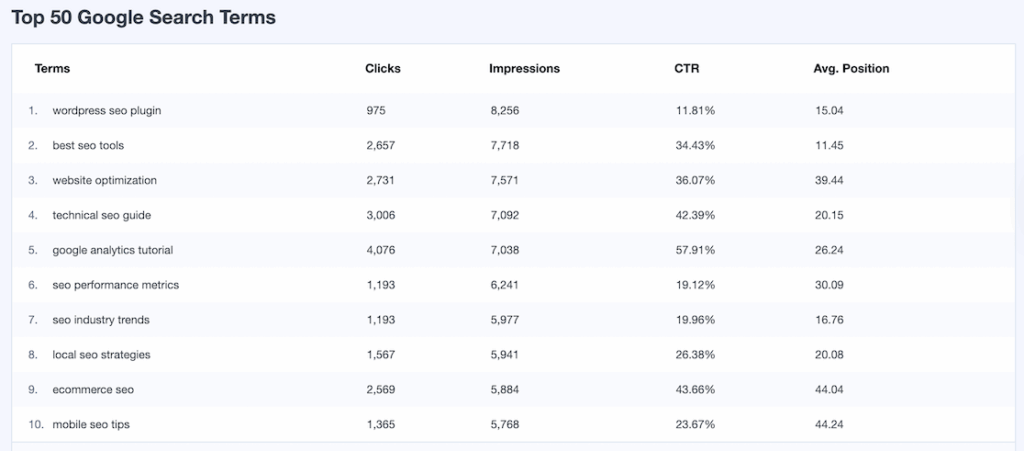
SEO is an ongoing process. Use tools such as Google Search Console and analytics software to monitor which pages receive search traffic, what queries bring visitors to your site and whether technical issues are affecting visibility.
Look for meaningful outcomes, not just rankings. More visitors are valuable when they are relevant and take useful actions, such as making an enquiry, booking an appointment or completing a purchase. Review your results regularly and improve pages where visitors are not finding what they need.
Be patient and focus on sustainable results
The best search engine ranking strategy is not a one-off trick. It combines relevant content, a technically sound website, a positive user experience and a trustworthy reputation. Results can take time, and no ethical SEO professional can promise a specific ranking.
By understanding your audience, helping them with genuinely useful information and continually improving your website, you can build search visibility that is more likely to last.
Top FAQs About Leading Search Engine Rankings
- Which search engine is the best?
- What are the top 5 search engines in the world?
- What search engine is better than Google?
- What is the No. 1 search engine?
- What is Google SEO ranking?
- Which search engine is most accurate?
- What are the top 10 best search engines?
- What is the best search engine 2022?
- What are the 5 top search engines?
- What is the number 1 search engine?
Which search engine is the best?
There isn’t one search engine that is best for everyone. Google is the most widely used and offers extensive results and features, while Bing, DuckDuckGo and other alternatives may appeal to people who prefer different tools or privacy options. The best choice depends on what matters most to you, such as result quality, privacy, accessibility or integration with your devices. For businesses seeking the best search engine ranking, it’s usually sensible to focus on the search engines their customers use most, while making sure their website is clear, useful and accessible across platforms.
What are the top 5 search engines in the world?
The five most widely used search engines worldwide are generally Google, Microsoft Bing, Yahoo!, Yandex and Baidu, although their order and market share vary by country, device and data source. Google leads globally, while Bing and Yahoo! are popular in several markets; Yandex is particularly prominent in Russia, and Baidu is a major search engine in China. For businesses seeking better search engine rankings, it is worth considering the search engines used by their target audience rather than focusing solely on global popularity.
What search engine is better than Google?
There is no single search engine that is better than Google for everyone; the best choice depends on what matters most to you. Bing offers features such as Microsoft Copilot integration, while DuckDuckGo focuses on privacy and Ecosia uses advertising revenue to support tree-planting projects. Search results can differ between services, so it may be worth trying a few to see which gives you the most relevant answers. For businesses working to improve their search engine ranking, it is also sensible to consider more than Google, while prioritising the platforms their audience uses.
What is the No. 1 search engine?
Google is the world’s leading search engine by market share and is often what people mean when they refer to the No. 1 search engine. It handles a large share of searches worldwide, although its position can vary by country and over time. Other popular search engines include Bing, Yahoo and DuckDuckGo, so the best choice depends on your preferences, location and privacy needs.
What is Google SEO ranking?
Google SEO ranking is the position a webpage appears in Google’s unpaid search results for a particular query. Rankings can differ depending on the search term, location, device and other factors, and may change over time. Google uses many signals to decide which pages are most relevant and useful, so improving a page’s ranking generally involves creating helpful content, making the website easy to use and ensuring search engines can access and understand it. No one can guarantee a specific position in the results.
Which search engine is most accurate?
There isn’t one search engine that is always the most accurate: results vary depending on the search query, location, language and personalisation. Google is often a strong choice for broad searches because of its extensive index, while Bing and other search engines may surface different useful sources. For important questions, compare results across more than one search engine and check information against reliable, original sources.
What are the top 10 best search engines?
The top 10 search engines vary depending on how they’re ranked and where you’re searching, but a commonly recognised list includes Google, Bing, Yahoo!, Baidu, Yandex, DuckDuckGo, Ecosia, Naver, Brave Search and Ask.com. Google is the most widely used globally, while others are especially popular in particular countries or appeal to users for features such as privacy, environmental initiatives or independent search indexes. The best choice depends on your location, language and preferences.
What is the best search engine 2022?
In 2022, Google was the most widely used search engine and was often considered the best choice for finding a broad range of information, thanks to its extensive index and useful search features. However, the best option depended on what you valued: Bing offered a strong alternative, while DuckDuckGo appealed to people seeking greater privacy. For website owners aiming for the best search engine ranking, it was important to create useful, relevant content and follow sound SEO practices rather than focus on a single search engine alone.
What are the 5 top search engines?
The five most widely used search engines are Google, Bing, Yahoo!, Yandex and Baidu. Google leads globally, while Bing and Yahoo! are popular alternatives in many English-speaking markets. Yandex is especially prominent in Russia, and Baidu is the leading search engine in China. Their popularity varies by country, so the best option depends on where your audience is based.
What is the number 1 search engine?
Google is the number one search engine worldwide, holding the largest share of global search activity. It is widely used to find websites, products, services and answers to everyday questions. However, the most popular search engine can vary by country, and alternatives such as Bing, Yahoo! and DuckDuckGo may also be important for reaching particular audiences.