

Maximising Visibility: The Art of Search Engine Keyword Placement
The Importance of Search Engine Keyword Placement
Keywords are the foundation of search engine optimisation (SEO) strategies. They act as the bridge between what users are searching for and the content that websites provide. However, it’s not just about choosing the right keywords; their placement within your content also plays a crucial role in determining your website’s visibility and ranking on search engine results pages.
Strategic Placement for Maximum Impact
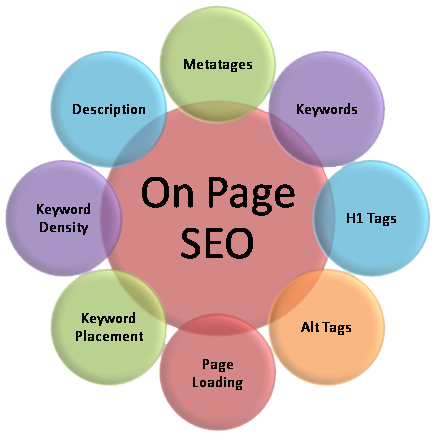
Effective keyword placement involves strategically integrating relevant keywords into your website’s content in a natural and reader-friendly manner. Here are some key areas where keywords should be placed:
- Title Tags: Including keywords in your page titles helps search engines understand the topic of your content.
- Meta Descriptions: Utilise keywords in meta descriptions to provide a concise summary of your page’s content to both users and search engines.
- Heading Tags: Incorporate keywords into heading tags (H1, H2, etc.) to structure your content and make it more scannable for readers.
- Body Content: Naturally integrate keywords throughout your body content to signal relevance to search engines without compromising readability.
- URLs: Optimise URLs by including relevant keywords to provide both users and search engines with a clear indication of the page’s topic.
- Image Alt Text: Don’t forget to include descriptive keywords in image alt text to improve accessibility and enhance SEO.
Balancing Act: Keyword Density vs. User Experience
While keyword placement is essential for SEO, it’s equally important to maintain a balance between optimising for search engines and providing a valuable user experience. Overloading your content with keywords can lead to keyword stuffing, which not only hampers readability but can also result in penalties from search engines.
Focus on creating high-quality, informative content that naturally incorporates relevant keywords. By prioritising user experience while strategically placing keywords, you can enhance both SEO performance and engagement with your audience.
In Conclusion
In the competitive landscape of online visibility, mastering the art of search engine keyword placement is key to improving your website’s ranking and attracting organic traffic. By understanding where and how to place keywords effectively, you can optimise your content for search engines while delivering valuable information to your audience.
Essential Guide to Search Engine Keyword Placement: Top 9 FAQs Answered
- What is search engine keyword placement?
- Why is keyword placement important for SEO?
- How can I choose the right keywords for my content?
- Where should I place keywords on my website for optimal results?
- Is there a specific keyword density I should aim for in my content?
- How do search engines like Google interpret keyword placement?
- Can improper keyword placement negatively impact my website’s ranking?
- Are long-tail keywords more effective than short-tail keywords in SEO strategies?
- What tools or resources can help me analyse and improve my keyword placement?
What is search engine keyword placement?
Search engine keyword placement refers to the strategic positioning of relevant keywords within website content to enhance its visibility and ranking on search engine results pages. By incorporating these keywords in key areas such as title tags, meta descriptions, heading tags, body content, URLs, and image alt text, website owners can signal the relevance of their content to search engines. Effective keyword placement is crucial for improving SEO performance and attracting organic traffic, striking a balance between optimising for search engines and providing a valuable user experience.
Why is keyword placement important for SEO?
Keyword placement is crucial for SEO because it directly impacts how search engines interpret and rank your content. By strategically placing relevant keywords in key areas of your website, such as title tags, meta descriptions, heading tags, body content, URLs, and image alt text, you signal to search engines the relevance of your content to users’ search queries. Effective keyword placement not only helps improve your website’s visibility in search engine results pages but also enhances the overall user experience by ensuring that your content is informative and easily discoverable. Ultimately, mastering keyword placement is essential for maximising organic traffic to your website and boosting your SEO performance.
How can I choose the right keywords for my content?
When it comes to selecting the most suitable keywords for your content, thorough research and strategic thinking are essential. Start by understanding your target audience and their search behaviours. Consider what phrases they are likely to use when looking for information related to your content. Utilise keyword research tools to identify relevant terms with high search volumes and low competition. Additionally, analyse your competitors’ keyword strategies to gain insights into effective keyword choices. By carefully selecting keywords that align with your content and resonate with your audience, you can enhance the visibility and relevance of your website in search engine results pages.
Where should I place keywords on my website for optimal results?
When considering where to place keywords on your website for optimal results, it is essential to strategically incorporate them in key areas that hold significant weight in search engine algorithms. Focus on integrating keywords in prominent locations such as title tags, meta descriptions, heading tags, body content, URLs, and image alt text. By ensuring a natural and reader-friendly placement of keywords across these elements, you can effectively signal relevance to search engines and improve the visibility and ranking of your website in search results. Remember to strike a balance between keyword placement and user experience to create valuable content that resonates with both search engines and your target audience.
Is there a specific keyword density I should aim for in my content?
When it comes to search engine keyword placement, a commonly asked question is whether there is a specific keyword density that content creators should target. While keyword density was once a significant factor in SEO, search engines now prioritise content quality and relevance over specific keyword percentages. Instead of focusing on hitting a specific keyword density, it is more important to naturally incorporate relevant keywords throughout your content while ensuring readability and providing value to your audience. By creating high-quality, informative content that aligns with user intent, you can improve your chances of ranking well in search engine results pages.
How do search engines like Google interpret keyword placement?
When it comes to how search engines like Google interpret keyword placement, the algorithm analyses the context and relevance of keywords within a webpage to determine its subject matter. Google looks at various factors, including the placement of keywords in key areas such as title tags, headings, meta descriptions, and body content. By strategically placing keywords in these locations and ensuring they are seamlessly integrated into the overall content, websites can signal to search engines the relevance of their pages to specific search queries. Google’s goal is to provide users with the most accurate and valuable results based on their search intent, making proper keyword placement crucial for improving visibility and ranking on search engine results pages.
Can improper keyword placement negatively impact my website’s ranking?
Improper keyword placement can indeed have a detrimental effect on your website’s ranking. Search engines rely on keywords to understand the relevance and context of your content. If keywords are placed inappropriately, such as excessive repetition or stuffing them unnaturally into sentences, it can signal to search engines that your content is low-quality or manipulative. This can result in penalties that lower your website’s ranking in search results. Therefore, ensuring proper keyword placement throughout your content is crucial for maintaining a positive SEO performance and enhancing your website’s visibility online.
Are long-tail keywords more effective than short-tail keywords in SEO strategies?
When considering the effectiveness of long-tail keywords versus short-tail keywords in SEO strategies, it’s important to understand their distinct advantages and applications. Long-tail keywords, consisting of longer and more specific phrases, often target niche audiences and capture users at a later stage of the buying cycle. While short-tail keywords are broader and may attract higher search volumes, they can also face intense competition. In SEO strategies, incorporating a mix of both long-tail and short-tail keywords can be beneficial. Long-tail keywords can drive targeted traffic and improve conversion rates, while short-tail keywords may boost visibility and brand awareness. Ultimately, the optimal keyword strategy depends on your specific goals and target audience within the competitive landscape of search engine optimisation.
What tools or resources can help me analyse and improve my keyword placement?
When it comes to analysing and enhancing keyword placement for search engine optimisation (SEO), there are several valuable tools and resources available to assist you in your efforts. Tools such as Google Keyword Planner, SEMrush, Ahrefs, and Moz’s Keyword Explorer offer insights into keyword search volume, competition level, and potential opportunities for improvement. Additionally, Google Analytics provides valuable data on user behaviour and keyword performance within your website. Leveraging these tools can help you identify strategic keywords, monitor their effectiveness, and refine your keyword placement strategy to boost your website’s visibility and organic traffic.