
Mastering Search Engine Marketing with Google: A Guide to Digital Advertising Success
Search Engine Marketing with Google
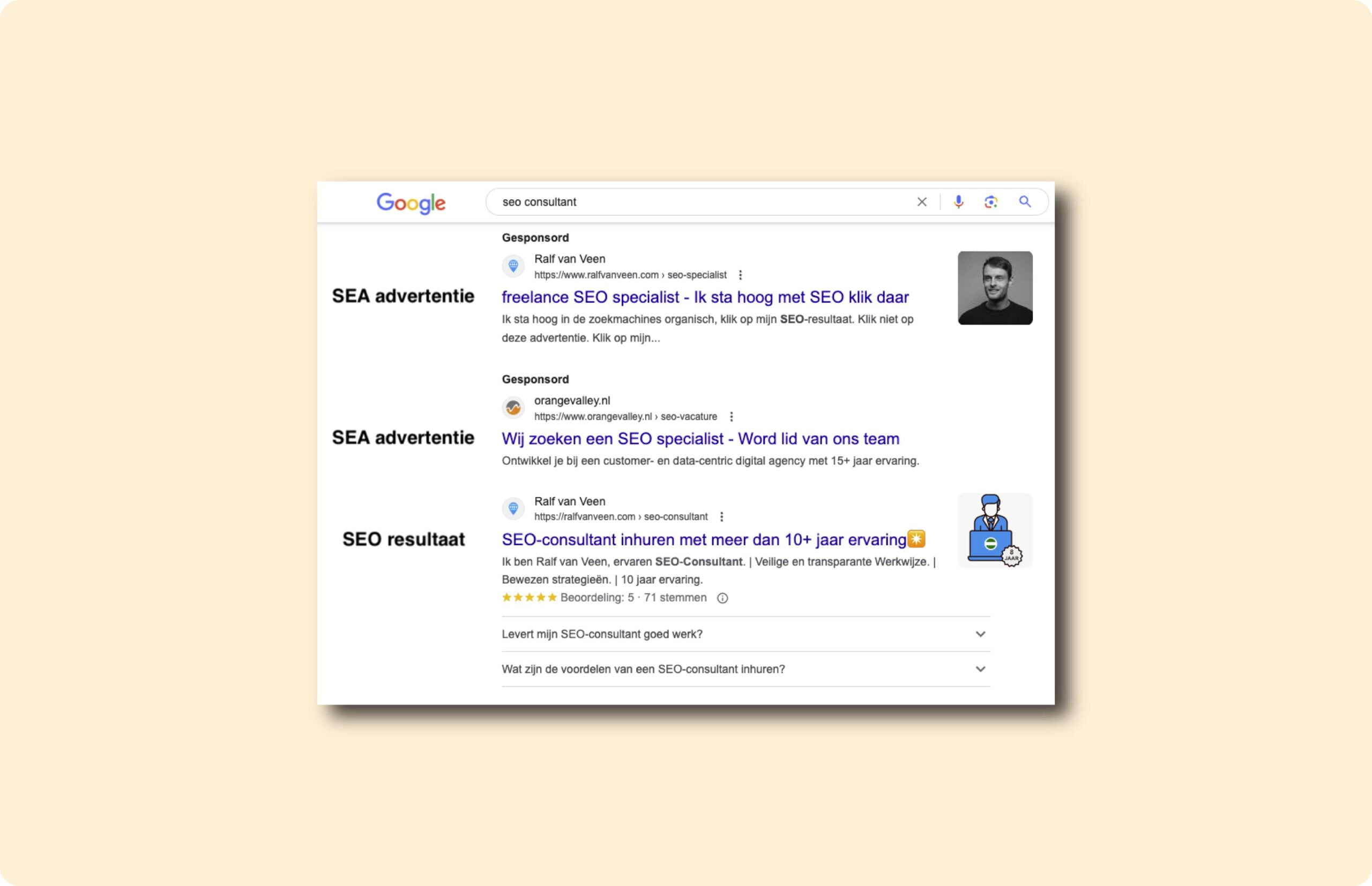
Search Engine Marketing (SEM) is a powerful digital marketing strategy that focuses on increasing a website’s visibility in search engine results pages (SERPs) through paid advertising. When it comes to SEM, Google is undoubtedly the leading player with its widely used advertising platform, Google Ads.
Google Ads: The Key Player
Formerly known as Google AdWords, Google Ads allows businesses to create targeted ads that appear on Google’s search engine and its partner sites. These ads are displayed to users based on their search queries, interests, and demographics, making them highly relevant to potential customers.
The Benefits of SEM with Google
Targeted Reach: With Google Ads, businesses can target specific keywords and audiences to reach potential customers who are actively searching for products or services like theirs.
Cost-Effective: SEM allows for precise budget control, ensuring that businesses only pay when users click on their ads (pay-per-click model), making it a cost-effective advertising solution.
Measurable Results: Google Ads provides detailed analytics and reporting tools that allow businesses to track the performance of their campaigns in real-time, enabling them to make data-driven decisions for better ROI.
Tips for Successful SEM Campaigns
- Keyword Research: Conduct thorough keyword research to identify relevant terms that your target audience is using in their searches.
- Compelling Ad Copy: Write engaging ad copy that entices users to click on your ads and visit your website.
- Landing Page Optimisation: Ensure that your landing pages are optimised for conversions to maximise the effectiveness of your SEM campaigns.
- A/B Testing: Experiment with different ad creatives, keywords, and targeting options to refine your campaigns and improve performance over time.
In conclusion, Search Engine Marketing with Google offers businesses a powerful tool to enhance their online visibility, drive targeted traffic to their websites, and achieve measurable results. By leveraging the capabilities of Google Ads effectively and implementing best practices in SEM strategies, businesses can unlock new opportunities for growth in the competitive digital landscape.
Top 5 Tips for Effective Google Search Engine Marketing
- Use relevant keywords in your ad copy to attract the right audience.
- Optimize your landing page for conversions to increase the effectiveness of your ads.
- Regularly review and adjust your bids to ensure cost-effective advertising.
- Utilize ad extensions such as sitelinks and callouts to provide more information to users.
- Monitor performance metrics like click-through rate and conversion rate to measure campaign success.
Use relevant keywords in your ad copy to attract the right audience.
Utilising relevant keywords in your ad copy is a crucial strategy in Google Ads to attract the right audience to your website. By incorporating keywords that align with what users are searching for, you increase the likelihood of your ads being shown to those actively seeking your products or services. Crafting compelling ad copy with these targeted keywords not only improves the relevance of your ads but also enhances the chances of attracting clicks from users who are more likely to convert into valuable leads or customers. This practice ensures that your SEM campaigns are optimised for reaching and engaging with the most relevant audience, ultimately driving better results for your business.
Optimize your landing page for conversions to increase the effectiveness of your ads.
To maximise the effectiveness of your Google Ads campaigns, it is crucial to optimise your landing page for conversions. By ensuring that your landing page is tailored to provide a seamless and compelling user experience, you can significantly increase the chances of turning ad clicks into valuable actions, such as purchases or sign-ups. A well-optimised landing page that aligns with the messaging and intent of your ads not only enhances user engagement but also boosts the overall performance and ROI of your search engine marketing efforts on Google.
Regularly review and adjust your bids to ensure cost-effective advertising.
Regularly reviewing and adjusting your bids is a crucial aspect of managing cost-effective advertising campaigns on Google. By monitoring the performance of your ads and adjusting your bids accordingly, you can ensure that you are maximising the value of each click while staying within your budget constraints. This proactive approach allows you to fine-tune your bidding strategy based on real-time data, helping you achieve better ROI and optimise the effectiveness of your search engine marketing efforts with Google.
Utilize ad extensions such as sitelinks and callouts to provide more information to users.
When implementing a search engine marketing strategy with Google Ads, it is essential to utilise ad extensions like sitelinks and callouts. These extensions offer additional opportunities to provide users with more information about your products or services directly within the ad. Sitelinks enable you to showcase specific pages on your website, guiding users to relevant sections, while callouts allow you to highlight key features or benefits. By incorporating these ad extensions effectively, businesses can enhance the visibility and appeal of their ads, leading to increased user engagement and improved click-through rates.
Monitor performance metrics like click-through rate and conversion rate to measure campaign success.
Monitoring performance metrics such as click-through rate (CTR) and conversion rate is crucial in evaluating the success of a Google Ads campaign. The CTR indicates the percentage of users who clicked on the ad after seeing it, reflecting its relevance and appeal. On the other hand, the conversion rate measures the percentage of users who completed a desired action, such as making a purchase or filling out a form. By regularly analysing these key metrics, businesses can gain valuable insights into campaign effectiveness, identify areas for improvement, and make data-driven decisions to optimise their SEM strategy for better results.