
SEO Web Marketing Services: A Practical Guide to Growing Your Online Presence
SEO Web Marketing Services: A Guide to Growing Your Online Presence
For businesses looking to reach more customers online, a well-designed website is only the beginning. SEO web marketing services help improve a website’s visibility in search engines, attract relevant visitors and turn more of that traffic into enquiries or sales.
SEO, or search engine optimisation, is the process of improving a website so it can appear more prominently in organic search results. When combined with wider digital marketing activities, it can support sustainable growth and help businesses connect with people who are actively looking for their products or services.
What do SEO web marketing services include?
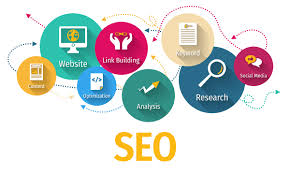
Services vary between providers, but a comprehensive SEO and web marketing strategy may include:
- SEO audits: Reviewing a website’s technical health, content and search visibility to identify opportunities for improvement.
- Keyword research: Discovering the words and phrases potential customers use when searching for relevant products or services.
- On-page optimisation: Improving page titles, headings, copy, internal links and other elements to make pages more useful to visitors and easier for search engines to understand.
- Technical SEO: Addressing issues such as slow loading times, mobile usability, crawlability and indexing.
- Content marketing: Creating helpful, original content that answers customers’ questions and supports their decision-making.
- Local SEO: Helping businesses improve their visibility in searches connected with a particular town, city or service area.
- Performance reporting: Tracking agreed measures such as organic traffic, rankings, leads and conversions.
Why SEO matters for web marketing
Search engines are an important starting point for many buying journeys. A strong SEO strategy can help a business appear when potential customers are researching a need, comparing options or ready to make a purchase. Unlike paid advertising, organic search traffic does not usually involve a charge for every click, although achieving and maintaining visibility requires ongoing work.
SEO can also improve the website experience. Clear navigation, useful information and fast-loading pages make it easier for visitors to find what they need. These improvements can benefit customers as well as search performance.
SEO and other digital marketing channels
SEO is most effective when it supports a broader web marketing plan. For example, content created for organic search can also be shared through email newsletters or social media. Paid search advertising can help a business reach an audience while it builds organic visibility, while analytics can reveal which channels are contributing to enquiries and sales.
The right combination depends on a business’s objectives, audience, budget and competitive landscape. SEO is generally a long-term investment, whereas paid advertising can provide quicker visibility while campaigns are running.
How to choose an SEO service provider
Before choosing a provider, consider whether they explain their recommendations clearly and connect their work to your business goals. A reliable provider should be willing to discuss the approach, expected timelines, reporting and the responsibilities involved.
It is also sensible to ask:
- What will the initial audit cover?
- How will success be measured?
- How often will progress be reported?
- Who will create or approve website content?
- Are any technical changes likely to require support from a developer?
Be cautious of guarantees of specific rankings or instant results. Search engine performance depends on many factors, including competition, website history and ongoing changes to search systems. Ethical SEO focuses on useful content, sound technical foundations and steady improvement rather than shortcuts.
Measuring results
Rankings can be useful, but they are only one part of the picture. Businesses should also consider organic visits, relevant enquiries, online sales and the quality of leads generated. The most useful measures are those that show whether marketing activity is contributing to real business outcomes.
It is important to allow time for changes to take effect. Some technical fixes may produce improvements relatively quickly, while building authority and earning lasting visibility can take longer. Regular reviews help identify what is working and where the strategy needs to adapt.
Building a lasting online presence
SEO web marketing services can help businesses make their websites easier to find, more useful to visitors and better aligned with customer needs. The strongest strategies combine technical expertise, thoughtful content and consistent measurement.
By setting clear objectives and choosing an approach suited to your audience, you can build a web marketing strategy that supports long-term visibility and sustainable business growth.
8 Tips for Getting the Most from SEO Web Marketing Services
- Choose an SEO service with proven results.
- Set clear goals before starting.
- Target keywords your customers use.
- Prioritise useful, original content.
- Make your website mobile-friendly.
- Improve page speed and navigation.
- Track rankings, traffic and conversions.
- Review reports and refine your strategy.
Choose an SEO service with proven results.
Choose an SEO service with proven results by looking for clear evidence of its experience and impact. Ask for relevant case studies, client references and examples of improvements in organic traffic, enquiries or sales—not just higher rankings. A trustworthy provider will explain how it measures success, set realistic expectations and tailor its approach to your business, rather than promising instant results or guaranteed positions.
Set clear goals before starting.
Before investing in SEO web marketing services, set clear goals so you can choose the right strategy and measure its impact. Decide what you want to achieve, such as increasing relevant website traffic, generating more enquiries, boosting online sales or improving local visibility. Make your goals specific and realistic, and agree how progress will be tracked with your provider. Clear objectives help keep the work focused and show whether your SEO activity is contributing to your business.
Target keywords your customers use.
Targeting the keywords your customers actually use helps your website appear for searches that reflect their needs and intentions. Research the words and phrases people use when looking for your products or services, including specific questions and local terms, then use them naturally in useful page content, headings and titles. Avoid cramming in keywords: clear, relevant information serves both your visitors and your SEO.
Prioritise useful, original content.
Prioritise useful, original content that answers your audience’s questions and helps them make informed decisions. Rather than creating pages simply to include keywords, focus on clear, accurate information that reflects your expertise and offers genuine value. This approach can improve the visitor experience, support your SEO web marketing strategy and give people a reason to trust and return to your website.
Make your website mobile-friendly.
Make your website mobile-friendly so visitors can browse, read and take action easily on a phone or tablet. Use a responsive design that adapts to different screen sizes, keep pages quick to load and make menus, buttons and forms simple to use on touchscreens. A smooth mobile experience can improve engagement and support your SEO, as search engines consider mobile usability when assessing pages.
Improve page speed and navigation.
Improving page speed and navigation can make a website more effective for both visitors and search engines. Fast-loading pages help keep people engaged, particularly on mobile devices, while clear menus and logical page structures make it easier to find information. Compressing large images, reducing unnecessary scripts and organising content with descriptive labels are practical ways to improve the experience. These changes can also support SEO by making pages easier to access, explore and understand.
Track rankings, traffic and conversions.
Track rankings, traffic and conversions to understand whether your SEO web marketing services are delivering meaningful results. Search rankings can show how visible your pages are, while organic traffic reveals whether more people are finding your website through search. Conversions—such as enquiries, bookings or sales—show whether those visits are supporting your business goals. Reviewing these measures regularly helps you spot trends, identify opportunities and refine your strategy based on performance rather than rankings alone.
Review reports and refine your strategy.
Review your SEO reports regularly to understand which pages, keywords and marketing channels are bringing in relevant visitors and enquiries. Look beyond rankings by checking measures such as organic traffic, conversions and engagement, then use what you learn to refine your strategy. Updating underperforming content, addressing technical issues and investing in tactics that deliver meaningful results can help improve your website’s performance over time.