

SEO Social Media Marketing: A Practical Guide to Growing Your Online Presence
SEO and Social Media Marketing: How to Make Them Work Together
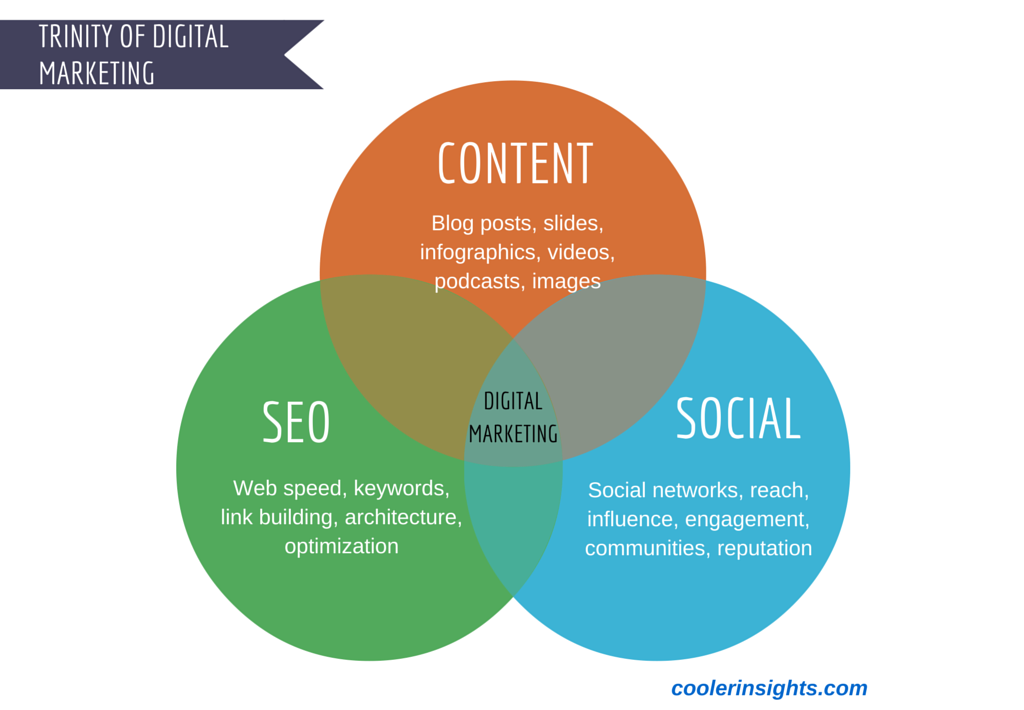
Search engine optimisation (SEO) and social media marketing are often treated as separate parts of digital marketing. In practice, they can support one another. SEO helps people discover your website through search engines, while social media helps you reach and engage audiences on the platforms they use every day. A joined-up approach can strengthen your visibility, build trust and bring more relevant visitors to your site.
What is SEO?
SEO is the process of improving a website so that it is easier for search engines and people to understand. It includes creating useful content, organising pages clearly, improving website speed and accessibility, and earning links from relevant websites.
Effective SEO starts with understanding what your audience is looking for. Keyword research can reveal the questions, needs and language people use when searching. The aim is not simply to include popular phrases, but to provide a genuinely helpful answer that matches the searcher’s intent.
What is social media marketing?
Social media marketing involves using platforms such as Instagram, LinkedIn, Facebook, TikTok and Pinterest to share content, communicate with audiences and promote a brand. Depending on your goals, it can help you raise awareness, build a community, generate enquiries or direct people to useful resources on your website.
Each platform has its own audience and style. A professional insight may suit LinkedIn, while a short demonstration could work better as a video on TikTok or Instagram. Choosing the right channels is more important than trying to be active everywhere.
How SEO and social media can support each other
Social media activity is not generally a direct way to improve search rankings. However, it can contribute to wider marketing outcomes that help your SEO efforts. Sharing useful content can introduce it to new audiences, encourage visits and prompt people to mention or link to your website. Those links and references may help build your site’s reputation when they come from relevant, trustworthy sources.
Social platforms can also provide insight into what your audience cares about. Comments, questions and popular posts may reveal topics worth exploring in more detail on your website. In turn, articles and guides created for SEO can be adapted into social posts, short videos, graphics or email content.
Creating an integrated strategy
Understand your audience
Identify the people you want to reach, their needs and the questions they ask. Use customer feedback, website analytics, search data and social media conversations to build a clearer picture.
Plan content around useful topics
Choose themes that connect your audience’s interests with your expertise. Create detailed, well-structured pages for important subjects, then develop shorter social content that highlights key points and directs interested readers to further information.
Adapt content for each platform
Repurposing content can save time, but copying the same post everywhere may not suit each channel. Turn an article into a series of concise tips, a Q&A, a short video or an infographic. Keep the core message consistent while adjusting the format and tone.
Make your website easy to use
When social posts bring visitors to your website, give them a clear next step. Ensure pages load quickly, work well on mobile devices and make it easy to find related information, contact details or products.
Encourage genuine sharing
Publish content that people will find useful, interesting or entertaining. Clear headlines and engaging visuals can help, but avoid misleading claims or engagement tactics that offer little value. Trust is built through consistency and substance.
Measuring results
Use measures that reflect your objectives. For SEO, monitor organic visits, search visibility, relevant keyword performance and conversions. For social media, review reach, meaningful engagement, referral visits and enquiries. Analytics tools can help show how visitors move from social channels to your website and whether they take action.
Results may take time, particularly with SEO. Review performance regularly and use what you learn to improve your content, targeting and user experience. Avoid judging success by follower counts or rankings alone; the quality of your audience and the value of the outcomes matter more.
Bringing it all together
SEO and social media marketing work best when they are part of a shared plan. SEO helps people find useful information through search, while social media helps that information reach and resonate with wider communities. By understanding your audience, creating valuable content and measuring meaningful results, you can build a more consistent and effective online presence.
Top 5 Benefits of SEO and Social Media Marketing for Enhanced Online Presence
- Increases online visibility.
- Drives relevant website traffic.
- Builds brand awareness and trust.
- Encourages audience engagement.
- Creates more opportunities for leads and sales.
Challenges of SEO Social Media Marketing: Delayed Results, Time-Intensive Management, and Limited Impact on Search Rankings
- Results can take time to appear.
- Managing multiple platforms is time-consuming.
- Social engagement does not guarantee better search rankings.
Increases online visibility.
SEO and social media marketing can increase your online visibility by helping your business reach people across both search engines and social platforms. SEO makes it easier for potential customers to discover your website when they search for relevant products, services or advice, while social media puts your content in front of audiences who may not yet know your brand. Used together, they create more opportunities for people to find, recognise and engage with your business online.
Drives relevant website traffic.
One of the key benefits of combining SEO with social media marketing is the ability to drive relevant traffic to your website. SEO helps your pages appear when people search for topics related to your business, while social media lets you share useful content with audiences who are likely to be interested. By reaching the right people with relevant information, you can attract visitors who are more likely to engage with your website, explore your offerings and take action.
Builds brand awareness and trust.
SEO and social media marketing can work together to build brand awareness and trust. Appearing in relevant search results helps people discover your business when they are looking for information, products or services, while sharing useful, consistent content on social media keeps your brand visible and encourages meaningful engagement. Over time, this combination can make your business more familiar and credible, helping potential customers feel more confident when choosing you.
Encourages audience engagement.
SEO and social media marketing can encourage meaningful audience engagement by helping people find useful content and giving them opportunities to respond, share ideas and ask questions. Search-friendly articles can answer common queries, while social posts invite comments, discussion and feedback. Together, these channels help businesses build relationships with their audience and better understand what matters to them.
Creates more opportunities for leads and sales.
SEO and social media marketing can create more opportunities for leads and sales by helping your business reach potential customers at different stages of their buying journey. SEO makes it easier for people actively searching for relevant products or services to find your website, while social media helps you build awareness, share useful content and engage with prospective customers. Together, they can guide interested audiences towards your website, encourage enquiries and support more informed purchasing decisions.
Results can take time to appear.
Results Can Take Time to Appear
One drawback of combining SEO and social media marketing is that results are rarely immediate. Search engines need time to discover and assess updated pages, while building an engaged social media following takes consistent effort. Even well-planned content may take weeks or months to attract steady traffic, interactions or enquiries. Businesses should therefore set realistic expectations, monitor progress over time and keep refining their strategy rather than relying on quick wins.
Managing multiple platforms is time-consuming.
Managing multiple social media platforms alongside SEO can be time-consuming. Each channel has its own audience, format and posting habits, so content often needs to be adapted rather than simply shared everywhere. Keeping profiles up to date, responding to comments, reviewing performance and coordinating activity with website content can quickly take up valuable time, particularly for small teams with limited resources.
Social engagement does not guarantee better search rankings.
Social media engagement can help your content reach more people, but likes, comments and shares do not guarantee higher search rankings. Search engines use many factors to assess webpages, including relevance, content quality and technical performance, so popularity on social platforms alone is unlikely to improve a site’s position. Treat social engagement as a way to build awareness and encourage visits, rather than a substitute for a strong SEO strategy.