
Mastering Google Pay-Per-Click: A Guide to Effective Online Advertising
The Power of Google Pay-Per-Click Advertising
Google Pay-Per-Click (PPC) advertising has revolutionised the way businesses promote their products and services online. With millions of searches conducted on Google every day, PPC offers a powerful tool to reach potential customers at the exact moment they are searching for what you offer.
How Does Google PPC Work?
Google PPC works on a simple principle: advertisers bid on keywords relevant to their target audience. When a user searches for those keywords on Google, ads from relevant advertisers are displayed at the top and bottom of the search results page. Advertisers only pay when a user clicks on their ad, hence the term “pay-per-click.”
The Benefits of Google PPC
Targeted Reach: With Google PPC, you can target your ads based on factors such as location, device, time of day, and even specific keywords. This precision targeting ensures that your ads are seen by the right people at the right time.
Cost-Effective: You have full control over your budget with Google PPC. You can set daily limits on how much you want to spend and adjust your bids based on performance. This flexibility allows you to maximise your ROI.
Measurable Results: One of the key advantages of Google PPC is its ability to provide detailed performance metrics. From click-through rates to conversion tracking, you can measure the effectiveness of your campaigns in real-time and make data-driven decisions to optimise your results.
Tips for Success with Google PPC
Choose Relevant Keywords: Select keywords that are closely related to your products or services to ensure that your ads are shown to users who are likely to be interested in what you offer.
Write Compelling Ad Copy: Craft engaging ad copy that highlights the unique selling points of your business. Use strong calls-to-action to encourage users to click on your ads.
Test and Optimise: Regularly monitor the performance of your campaigns and make adjustments based on what is working well and what isn’t. A/B testing different ad creatives and landing pages can help you improve your results over time.
In Conclusion
Google PPC is a powerful tool for businesses looking to increase their online visibility and drive targeted traffic to their websites. By leveraging the benefits of precision targeting, cost-control, and measurable results, businesses can achieve their marketing goals effectively through Google PPC advertising.
Comprehensive Guide to Google Pay-Per-Click (PPC): Frequently Asked Questions
- What is Google Pay-Per-Click (PPC) advertising?
- How does Google PPC work?
- What are the benefits of using Google PPC for advertising?
- How much does it cost to advertise on Google using PPC?
- How can I set up a Google PPC campaign?
- What are keywords in the context of Google PPC?
- How can I measure the success of my Google PPC campaigns?
- What are some best practices for optimising Google PPC campaigns?
What is Google Pay-Per-Click (PPC) advertising?
Google Pay-Per-Click (PPC) advertising is a digital marketing strategy where advertisers bid on specific keywords to have their ads displayed on Google’s search engine results page. When a user searches for those keywords, relevant ads appear at the top and bottom of the search results. Advertisers only pay when a user clicks on their ad, hence the term “pay-per-click.” This form of advertising allows businesses to target their audience effectively, control their budget, and measure the performance of their campaigns in real-time. Google PPC is a cost-effective way to drive targeted traffic to websites and increase visibility online.
How does Google PPC work?
Google Pay-Per-Click (PPC) operates on a straightforward principle: advertisers bid on keywords relevant to their target audience. When users search for these keywords on Google, ads from relevant advertisers appear at the top and bottom of the search results page. Advertisers only incur costs when users click on their ads, hence the term “pay-per-click.” This model ensures that businesses can reach potential customers actively seeking their products or services, making Google PPC an effective and targeted advertising solution for driving traffic and generating leads.
What are the benefits of using Google PPC for advertising?
When considering the benefits of using Google PPC for advertising, businesses can expect targeted reach, cost-effectiveness, and measurable results. With Google PPC, advertisers have the ability to precisely target their desired audience based on factors such as location, device, and specific keywords. This targeted approach ensures that ads are displayed to users who are actively searching for relevant products or services. Additionally, the pay-per-click model allows businesses to control their budget and adjust bids in real-time, providing a cost-effective advertising solution. Furthermore, the detailed performance metrics offered by Google PPC enable advertisers to track key metrics like click-through rates and conversions, empowering them to make data-driven decisions to optimise their campaigns for maximum impact.
How much does it cost to advertise on Google using PPC?
The cost of advertising on Google using Pay-Per-Click (PPC) varies depending on several factors, such as the competitiveness of your chosen keywords, your industry, and your target audience. With Google PPC, you have control over your budget by setting daily limits on how much you are willing to spend. Additionally, you only pay when someone clicks on your ad, hence the term “pay-per-click.” It’s important to note that the cost of advertising on Google through PPC can range from a few pence to several pounds per click, so it’s crucial to carefully plan and manage your campaigns to maximise your return on investment.
How can I set up a Google PPC campaign?
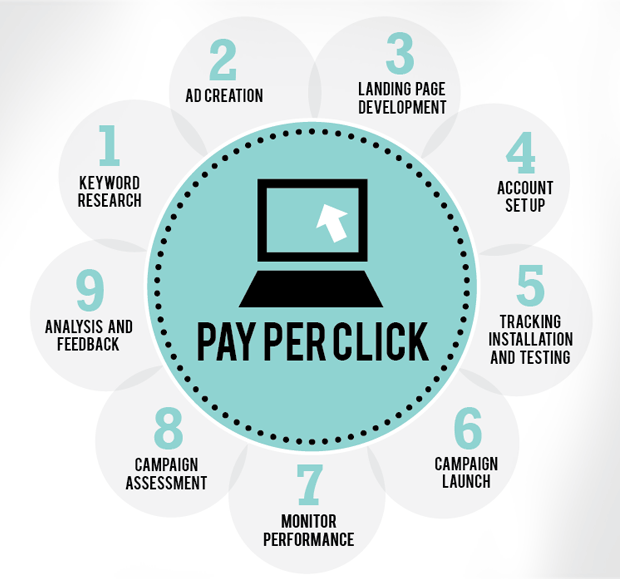
Setting up a Google PPC campaign involves several key steps to ensure its success. Firstly, you need to create a Google Ads account and define your campaign goals, whether it’s driving website traffic, generating leads, or increasing sales. Next, conduct keyword research to identify relevant keywords that your target audience is likely to search for. Then, create compelling ad copy that aligns with your chosen keywords and appeals to potential customers. Set your budget and bidding strategy to control how much you’re willing to pay for each click on your ads. Finally, monitor the performance of your campaign regularly and make adjustments as needed to optimise results and achieve your desired outcomes.
What are keywords in the context of Google PPC?
In the context of Google Pay-Per-Click (PPC) advertising, keywords are specific words or phrases that advertisers bid on to trigger their ads when users search for those terms on Google. These keywords are crucial as they determine when and where your ads will appear in search results. Choosing the right keywords that align with your target audience’s search intent is essential for the success of your PPC campaigns. By selecting relevant and high-performing keywords, advertisers can effectively reach their desired audience and increase the likelihood of driving quality traffic to their websites.
How can I measure the success of my Google PPC campaigns?
Measuring the success of your Google PPC campaigns is crucial for evaluating their effectiveness and making informed decisions to optimise performance. Key metrics to consider include click-through rates (CTR), conversion rates, cost per click (CPC), return on ad spend (ROAS), and overall return on investment (ROI). By tracking these metrics and analysing the data, you can gauge the impact of your campaigns, identify areas for improvement, and make adjustments to maximise results. Utilising Google Analytics and conversion tracking tools can provide valuable insights into user behaviour and help you understand how well your PPC campaigns are driving desired actions on your website. Regular monitoring and analysis of these metrics will enable you to measure the success of your Google PPC campaigns accurately and make strategic adjustments for ongoing success.
What are some best practices for optimising Google PPC campaigns?
When it comes to optimising Google PPC campaigns, several best practices can help maximise the effectiveness of your advertising efforts. Firstly, conducting thorough keyword research to identify relevant and high-performing keywords is essential. Crafting compelling ad copy that resonates with your target audience and includes strong calls-to-action can improve click-through rates. Regularly monitoring campaign performance metrics such as click-through rates, conversion rates, and cost per click allows for data-driven decision-making and continuous optimisation. Additionally, testing different ad variations, landing pages, and targeting options can help refine your campaigns for better results over time. By following these best practices and staying informed about the latest trends in Google PPC advertising, businesses can enhance their campaign performance and achieve their marketing objectives successfully.