

Mastering Onsite SEO Techniques for Enhanced Website Visibility
The Importance of Onsite SEO for Your Website
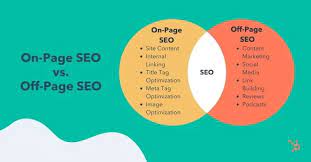
Search Engine Optimization (SEO) is a crucial aspect of any website’s success in the digital world. While offsite SEO activities like link building are important, onsite SEO plays a fundamental role in ensuring that your website is visible and ranks well on search engine results pages (SERPs).
What is Onsite SEO?
Onsite SEO refers to the practice of optimizing various elements on your website to improve its search engine visibility and relevance to specific keywords or phrases. This includes factors such as:
- Keyword Optimization: Strategically placing relevant keywords throughout your website’s content, meta tags, headings, and URLs.
- Quality Content: Creating high-quality, informative, and engaging content that satisfies user intent and provides value.
- Title Tags and Meta Descriptions: Crafting compelling title tags and meta descriptions that accurately describe the content on each page.
- Internal Linking: Linking relevant pages within your website to improve navigation and distribute link equity.
- User Experience (UX): Ensuring that your website is easy to navigate, mobile-friendly, and provides a positive user experience.
- Site Speed: Optimizing page load times to enhance user experience and satisfy search engine algorithms.
The Benefits of Onsite SEO
Implementing effective onsite SEO practices can have numerous benefits for your website:
- Improved Search Engine Rankings: By optimising your site for relevant keywords and providing valuable content, you increase the likelihood of ranking higher on SERPs.
- Increased Organic Traffic: Higher rankings lead to increased organic traffic as more users discover and visit your website through search engines.
- Better User Experience: A well-optimized website with clear navigation and valuable content enhances the overall user experience, leading to higher engagement and lower bounce rates.
- Better Conversion Rates: When users find what they’re looking for easily on your site, they’re more likely to convert into customers or leads.
- Long-Term Results: Unlike some offsite SEO tactics that may provide short-term boosts, onsite SEO builds a solid foundation for long-term success online.
In Conclusion
In conclusion, onsite SEO is an essential component of any successful digital marketing strategy. By optimising your website’s structure, content, and performance according to best practices, you can improve search engine visibility, attract more organic traffic, enhance user experience, and ultimately achieve your online business goals. Invest time and effort into onsite SEO today to reap the benefits tomorrow!
Top 7 Advantages of Onsite SEO: Boost Rankings, Traffic, and Engagement
- Improved search engine rankings
- Increased organic traffic
- Enhanced user experience
- Higher engagement levels
- Better conversion rates
- Long-term results
- Cost-effective strategy
Challenges of Onsite SEO: Key Cons to Consider for Effective Optimisation
- Requires ongoing maintenance and updates to stay relevant and effective.
- May take time to see significant results as search engines need to crawl and index changes.
- Optimising every page of a large website can be time-consuming and resource-intensive.
- Mistakes in onsite SEO implementation can negatively impact search engine rankings.
- Competing websites may also be investing in onsite SEO, making it challenging to stand out.
- Algorithm changes by search engines can affect the effectiveness of current onsite SEO strategies.
Improved search engine rankings
One of the key benefits of implementing onsite SEO is the improvement in search engine rankings. By strategically optimising your website for relevant keywords, creating high-quality content, and structuring your site effectively, you increase the chances of ranking higher on search engine results pages (SERPs). This enhanced visibility can significantly boost your website’s online presence and attract more organic traffic from users actively searching for products or services related to your business.
Increased organic traffic
One significant advantage of implementing effective onsite SEO is the increase in organic traffic to your website. By optimising your site for relevant keywords, providing valuable content, and enhancing user experience, you can attract more visitors through search engines without relying on paid advertising. This boost in organic traffic not only expands your online reach but also brings in users who are actively searching for products or information related to your business, leading to higher engagement and potential conversions.
Enhanced user experience
Enhanced user experience is a significant benefit of onsite SEO. By focusing on improving the usability and accessibility of your website, you create a more satisfying and seamless journey for visitors. Clear navigation, relevant content, fast loading times, and mobile responsiveness all contribute to a positive user experience. When users can easily find what they are looking for and navigate your site effortlessly, they are more likely to engage with your content, stay longer on your site, and potentially convert into customers or leads. Prioritising user experience through onsite SEO not only benefits your visitors but also aligns with search engine algorithms that value websites that provide a superior user experience.
Higher engagement levels
One significant advantage of onsite SEO is the ability to achieve higher engagement levels on your website. By implementing strategies such as quality content creation, intuitive site navigation, and relevant internal linking, you can capture the interest of visitors and encourage them to explore more pages. This increased engagement not only improves the overall user experience but also signals to search engines that your website provides valuable information, potentially leading to higher rankings and more organic traffic in the long run.
Better conversion rates
One significant advantage of onsite SEO is its ability to contribute to better conversion rates. By implementing effective onsite SEO strategies such as keyword optimization, quality content creation, and improved user experience, websites can attract more qualified traffic and provide a seamless journey for users towards conversion. When visitors find relevant information easily and navigate a website smoothly, they are more likely to take desired actions, whether it’s making a purchase, signing up for a newsletter, or filling out a contact form. This alignment between user intent and website content not only enhances the overall user experience but also increases the likelihood of converting visitors into valuable customers or leads.
Long-term results
One significant advantage of onsite SEO is its ability to deliver long-term results for your website. By implementing effective onsite SEO strategies such as keyword optimization, quality content creation, and user experience enhancements, you can establish a strong foundation that continues to benefit your site’s visibility and performance over time. Unlike some short-term tactics, onsite SEO builds credibility with search engines, leading to sustained organic traffic growth and improved rankings that can provide lasting success for your online presence.
Cost-effective strategy
One significant advantage of onsite SEO is its cost-effectiveness as a digital marketing strategy. By optimising various elements on your website, such as content, meta tags, and site structure, you can improve your search engine visibility and attract organic traffic without the need for continuous investment in paid advertising. This sustainable approach not only helps reduce marketing costs in the long run but also delivers lasting results that contribute to the overall success of your online presence.
Requires ongoing maintenance and updates to stay relevant and effective.
A significant drawback of onsite SEO is the continuous need for maintenance and updates to ensure its relevance and effectiveness. Websites are dynamic entities, and search engine algorithms frequently evolve, requiring constant adjustments to keyword strategies, content optimisation, and technical elements. This ongoing maintenance demands a significant investment of time and resources to keep pace with the ever-changing digital landscape, making it a challenging aspect of onsite SEO for website owners and marketers to manage effectively in the long term.
May take time to see significant results as search engines need to crawl and index changes.
One drawback of onsite SEO is that it may take time to see significant results due to the fact that search engines need to crawl and index any changes made to your website. Unlike some offsite SEO strategies that can yield more immediate results, the impact of onsite optimisation efforts may not be immediately visible as search engines take time to recognise and reflect these changes in their rankings. This delay in seeing tangible results can require patience and ongoing monitoring to assess the effectiveness of onsite SEO initiatives.
Optimising every page of a large website can be time-consuming and resource-intensive.
Optimising every page of a large website for onsite SEO can present a significant challenge due to the time-consuming and resource-intensive nature of the task. With a vast number of pages to review, update, and optimise, the process can be daunting for website owners and digital marketers alike. This con highlights the need for efficient strategies and prioritisation to ensure that resources are allocated effectively to maximise the impact of onsite SEO efforts on a large-scale website.
Mistakes in onsite SEO implementation can negatively impact search engine rankings.
Mistakes in onsite SEO implementation can have detrimental effects on a website’s search engine rankings. Inaccurate keyword placement, poor content quality, improper meta tags, or slow site speed can all contribute to a decrease in visibility on search engine results pages. Search engines value websites that provide relevant and high-quality content to users, so errors in onsite SEO can hinder a site’s ability to rank well and attract organic traffic. It is crucial for website owners to pay attention to detail and ensure that onsite SEO practices are executed correctly to avoid any negative impacts on their search engine performance.
Competing websites may also be investing in onsite SEO, making it challenging to stand out.
In the realm of onsite SEO, one significant drawback is the fierce competition among websites vying for visibility and rankings. As businesses increasingly invest in optimising their sites for search engines, standing out amidst a sea of competitors becomes a daunting task. The challenge lies in distinguishing oneself from similar websites that are also implementing onsite SEO strategies, requiring continuous innovation and refinement to maintain a competitive edge in the digital landscape.
Algorithm changes by search engines can affect the effectiveness of current onsite SEO strategies.
One significant drawback of onsite SEO is the susceptibility to algorithm changes by search engines, which can disrupt the effectiveness of current strategies. Search engines like Google frequently update their algorithms to enhance user experience and ensure the delivery of relevant search results. These changes can impact how websites are ranked, potentially rendering previously optimised content less visible or even penalising certain SEO practices. As a result, website owners and digital marketers need to stay informed about algorithm updates and be prepared to adapt their onsite SEO strategies accordingly to maintain or improve their search engine rankings.