

SEO Meaning in Business: A Practical Guide for Growing Companies
SEO Meaning in Business: A Practical Guide
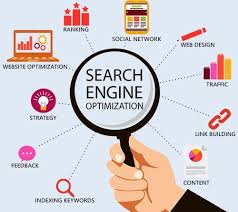
SEO stands for search engine optimisation. In business, it means improving a website and its content so that people can find it more easily through unpaid search results on platforms such as Google and Bing.
SEO is not simply about adding popular keywords to a webpage. It brings together useful content, a well-organised website, technical performance and a strong understanding of what potential customers are searching for. The aim is to attract relevant visitors and help them take a useful next step, such as making an enquiry, booking a service or buying a product.
Why SEO matters to businesses
Many customers use search engines to research products, compare services and find local businesses. Appearing prominently for relevant searches can help a business reach people who are already interested in what it offers.
SEO can support business growth by helping to:
- Increase online visibility: Improve the chances of appearing when potential customers search for relevant products or services.
- Attract suitable visitors: Reach people whose searches relate to the business’s expertise or offerings.
- Build trust: Clear, helpful information and a professional website can make a business easier to evaluate.
- Support long-term marketing: Pages that perform well may continue to attract visitors over time, although rankings and traffic can change.
- Generate enquiries and sales: Relevant search traffic can contribute to business goals when the website makes it easy to act.
What does SEO involve?
Keyword and search-intent research
Keyword research helps a business understand the words and phrases people use when looking for information, products or services. It is also important to consider search intent: what the person wants to achieve with their search. Someone looking for “how to choose a solicitor” may need guidance, while someone searching for “solicitor near me” may be ready to contact a local firm.
Helpful, relevant content
Good SEO content answers genuine questions and gives readers information they can use. This may include service pages, product descriptions, articles, guides or frequently asked questions. Content should be accurate, easy to understand and written for people rather than created solely to repeat keywords.
On-page optimisation
On-page SEO involves improving elements on individual pages. This can include clear page titles, descriptive headings, useful page summaries, descriptive image text and links to related pages. These elements help visitors and search engines understand what each page is about.
Technical SEO
Technical SEO focuses on how well search engines can access and understand a website. Common considerations include mobile usability, page speed, secure browsing, logical site structure and fixing broken pages or links. A technically sound website can also provide a better experience for visitors.
Local SEO
For businesses serving a particular area, local SEO can help them appear in searches with local intent. This may involve keeping business details consistent online, maintaining an accurate business profile on relevant platforms and creating useful pages for the areas served.
Links and reputation
Links from other relevant and reputable websites can help search engines discover pages and provide context about a business. Earning links through useful resources, genuine partnerships and good public relations is generally more sustainable than trying to manipulate search results with artificial links.
How SEO differs from paid search
SEO focuses on visibility in unpaid search results. Paid search involves paying for advertisements that may appear alongside those results. Both can be part of a digital marketing strategy, but they work differently: paid campaigns can provide visibility while advertising is running, whereas SEO usually requires consistent work and results may take time to develop. Neither guarantees a particular position or level of traffic.
How to measure SEO for business
Search rankings can be useful to monitor, but they are only one part of the picture. Businesses can also measure:
- Organic visits to the website
- Enquiries, bookings or sales from organic search
- The proportion of visitors who complete a desired action
- Visibility for relevant search topics and locations
- Engagement with key pages, such as time spent reading or visits to contact pages
The most useful measures depend on the business’s goals. For example, an online shop may focus on sales and revenue, while a professional services firm may prioritise qualified enquiries.
Common SEO misconceptions
SEO is not a one-off task, and no reputable approach can guarantee a top search position. Search engines regularly update how they assess and display results, and competitors may also improve their websites. Businesses should be cautious of claims promising instant rankings, large quantities of links or guaranteed traffic.
SEO also does not mean filling pages with repeated keywords. Overuse can make content difficult to read and does not create a good experience for potential customers. A more effective approach is to publish accurate, useful material and make the website easy to use.
Getting started with SEO
A business can begin by identifying its most important products, services and customer questions. It can then review its website to check that each key offering has a clear, informative page, that contact details are easy to find and that the site works well on mobile devices. Analytics and search-performance tools can help track progress and highlight opportunities for improvement.
In short, the meaning of SEO in business is the process of making a website more discoverable and useful to people searching for relevant information or services. When it is aligned with business goals, SEO can become a valuable part of a wider strategy for reaching customers and supporting sustainable growth.
SEO Meaning in Business: 6 Tips to Help Customers Find You Online
- SEO means search engine optimisation.
- It helps customers find your business online.
- Use keywords your customers search for.
- Create useful, relevant website content.
- Make your site fast and mobile-friendly.
- Track rankings, visits and enquiries to measure results.
SEO means search engine optimisation.
SEO stands for search engine optimisation: the process of improving a website so it is easier to find in unpaid search results. For a business, this can mean creating helpful content, making pages clear and easy to use, and ensuring the site works well on mobile devices. The aim is to connect with people searching for relevant products, services or information and encourage them to take the next step.
It helps customers find your business online.
SEO helps customers find your business online by improving how visible your website is in search results when people look for products, services or information you offer. By using clear, relevant content and making your website easy to navigate, you can connect with potential customers at the moment they are searching and guide them towards making an enquiry or purchase.
Use keywords your customers search for.
Use keywords your customers search for by thinking about the words and phrases they would naturally type into a search engine when looking for your products or services. Research these terms and consider the intent behind each search, then include relevant phrases naturally in your page titles, headings and useful website content. Avoid keyword stuffing: clear, helpful writing is better for both your customers and your SEO.
Create useful, relevant website content.
Create useful, relevant website content that answers the questions your potential customers are asking. Clear service pages, practical guides and informative articles can help visitors understand what your business offers and decide what to do next. Focus on accuracy, readability and genuine value rather than simply repeating keywords; helpful content is more likely to build trust and support your business goals.
Make your site fast and mobile-friendly.
Make your website fast and mobile-friendly to give visitors a smooth experience and help them find what they need without frustration. Pages that load quickly and display clearly on phones and tablets are easier to use, particularly for people browsing on the go. Compressing images, reducing unnecessary scripts and using responsive design can improve performance across devices. A well-performing site can support your SEO efforts, while also making it more likely that visitors will stay, get in touch or make a purchase.
Track rankings, visits and enquiries to measure results.
Track your search rankings, website visits and enquiries to understand whether your SEO activity is delivering meaningful results. Rankings show how visible your pages are for relevant searches, while visits reveal whether people are clicking through to your website. Most importantly, monitoring enquiries, bookings or sales helps you see whether that traffic is contributing to your business goals. Review these measures regularly, as SEO results can take time to develop and may change as search behaviour and competition evolve.