

Unlocking SEO Success: Leveraging Google Analytics for Optimisation Strategies
The Power of Google Analytics in SEO Optimization
Google Analytics is a powerful tool that can significantly enhance your Search Engine Optimization (SEO) efforts. By leveraging the insights provided by Google Analytics, you can make informed decisions to improve your website’s visibility and performance in search engine results.
Understanding User Behaviour
One of the key features of Google Analytics is its ability to track user behaviour on your website. By analysing metrics such as bounce rate, time on page, and pages per session, you can gain valuable insights into how users interact with your site. This information can help you identify areas for improvement and optimisation to enhance the user experience.
Keyword Performance Analysis
Google Analytics also provides valuable data on the performance of keywords driving traffic to your site. By analysing keyword metrics such as click-through rate and conversion rate, you can identify high-performing keywords that contribute to your SEO success. This information allows you to focus on optimising content around these keywords to further boost your search engine rankings.
Monitoring Organic Traffic Trends
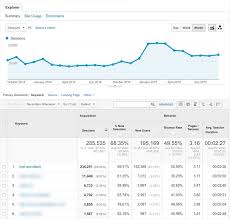
Tracking organic traffic trends is essential for evaluating the effectiveness of your SEO strategies. Google Analytics enables you to monitor changes in organic traffic over time, identify fluctuations in traffic volume, and pinpoint potential issues affecting your site’s visibility in search results. By staying informed about organic traffic trends, you can adapt your SEO tactics accordingly to maintain or improve your search rankings.
Conversion Tracking and Goal Setting
In addition to SEO performance metrics, Google Analytics allows you to set up conversion tracking and define goals that align with your business objectives. Whether it’s tracking form submissions, product purchases, or newsletter sign-ups, setting up goals in Google Analytics enables you to measure the effectiveness of your SEO efforts in driving desired actions on your website. By analysing conversion data, you can refine your SEO strategy to maximise conversions and achieve tangible results.
Conclusion
In conclusion, Google Analytics plays a crucial role in SEO optimization by providing actionable insights into user behaviour, keyword performance, organic traffic trends, and conversion tracking. By harnessing the power of Google Analytics data, you can fine-tune your SEO strategies, improve website performance, and ultimately enhance your online visibility and success.
23 Frequently Asked Questions About Optimising SEO with Google Analytics
- How do I optimize my website with Google Analytics?
- What is Google Analytics SEO?
- Is Google Analytics and SEO same?
- How do I see SEO performance in Google Analytics?
- Is SEO the same as Google Analytics?
- Which Google tool is used for SEO?
- How do I use Google Analytics for SEO writing?
- What are the 3 types of SEO optimizations?
- How do I boost SEO with Google Analytics?
- How does Google Analytics work for SEO?
- How can I improve my Google SEO?
- Why is Google Analytics essential to SEO?
- How to use Google Analytics to improve SEO?
- What is the difference between SEO and Google Analytics?
- Why Google Analytics is important for SEO?
- How do I see SEO in Google Analytics?
- How do I optimize Google SEO?
- Does Google Analytics boost SEO?
- How do I check SEO with Google Analytics?
- Is SEO and Google Analytics same?
- Can Google Analytics be used for SEO?
- Is Google Analytics and SEO the same?
- Can you do SEO through Google Analytics?
How do I optimize my website with Google Analytics?
Optimizing your website with Google Analytics involves leveraging the valuable insights provided by the platform to enhance your SEO strategies effectively. To begin, it is essential to set up Google Analytics on your website and ensure that it is properly configured to track relevant metrics such as user behaviour, keyword performance, and organic traffic trends. By analysing this data, you can identify areas for improvement, refine your content strategy around high-performing keywords, and monitor the impact of your SEO efforts on website traffic and conversions. Regularly reviewing Google Analytics reports and setting up goals to track key metrics will enable you to make informed decisions that drive continuous optimization and improve the overall performance of your website in search engine results.
What is Google Analytics SEO?
Google Analytics SEO refers to the use of Google Analytics, a powerful web analytics tool, to enhance Search Engine Optimization (SEO) efforts. It involves leveraging the data and insights provided by Google Analytics to track and analyse website performance in relation to organic search traffic. By utilising Google Analytics for SEO, website owners can monitor key metrics such as user behaviour, keyword performance, organic traffic trends, and conversion tracking. This information allows them to make informed decisions to improve their website’s visibility in search engine results and optimise their SEO strategies for better online performance.
Is Google Analytics and SEO same?
When considering the relationship between Google Analytics and SEO, it is important to understand that while they are closely related, they serve distinct purposes in the realm of digital marketing. Google Analytics is a powerful tool that provides insights into website traffic, user behaviour, and conversion tracking, allowing businesses to measure and analyse their online performance. On the other hand, SEO (Search Engine Optimization) focuses on improving a website’s visibility in search engine results through strategic tactics such as keyword optimization, content creation, and link building. While Google Analytics can help track the effectiveness of SEO efforts by monitoring traffic and user engagement metrics, it is not synonymous with SEO itself. Instead, Google Analytics complements SEO initiatives by providing valuable data to inform and enhance optimization strategies for better online visibility and success.
How do I see SEO performance in Google Analytics?
To track and evaluate SEO performance in Google Analytics, you can navigate to the ‘Acquisition’ section and then select ‘All Traffic’ followed by ‘Channels’. Within the Channels report, you can identify organic search traffic by selecting the ‘Organic Search’ channel. This will provide insights into the volume of organic traffic your website is receiving and how users are interacting with your site through search engines. Additionally, you can delve deeper into SEO performance by analysing specific metrics such as keyword rankings, click-through rates, bounce rates, and conversion rates to assess the effectiveness of your SEO strategies in driving traffic and achieving desired outcomes. By regularly monitoring these key metrics in Google Analytics, you can gain a comprehensive understanding of your website’s SEO performance and make informed decisions to optimise your online presence for improved search engine visibility.
Is SEO the same as Google Analytics?
The frequently asked question “Is SEO the same as Google Analytics?” often arises due to a common misconception about the two terms. In reality, SEO (Search Engine Optimization) and Google Analytics serve distinct but complementary purposes in the realm of digital marketing. SEO refers to the practice of optimising website content to improve its visibility and ranking in search engine results, while Google Analytics is a powerful tool that provides data and insights on website traffic, user behaviour, and performance metrics. While SEO focuses on enhancing a site’s search engine visibility, Google Analytics helps measure and analyse the effectiveness of SEO efforts by tracking key metrics and user interactions. In essence, SEO is about improving website visibility, while Google Analytics is a tool for monitoring and evaluating that visibility.
Which Google tool is used for SEO?
One of the most frequently asked questions regarding Google Analytics SEO optimization is “Which Google tool is used for SEO?” The primary tool provided by Google for SEO purposes is Google Search Console. Formerly known as Google Webmaster Tools, Search Console offers a range of features to help website owners monitor and improve their site’s presence in Google search results. From monitoring website performance to identifying indexing issues and submitting sitemaps, Google Search Console is an essential tool for webmasters looking to enhance their SEO efforts and ensure their site is well-optimised for search engines.
How do I use Google Analytics for SEO writing?
Utilising Google Analytics for SEO writing involves leveraging the platform’s data-driven insights to enhance the effectiveness of your content. By analysing key metrics such as organic traffic sources, user engagement, and keyword performance, you can tailor your writing to align with search intent and user preferences. Google Analytics helps you identify top-performing keywords, monitor content performance, and track conversions, enabling you to create SEO-optimised content that resonates with your target audience and improves your website’s visibility in search engine results. By incorporating Google Analytics into your SEO writing strategy, you can make informed decisions that drive organic traffic growth and enhance the overall impact of your content efforts.
What are the 3 types of SEO optimizations?
When it comes to SEO optimization, there are three main types that website owners and digital marketers focus on to improve their search engine rankings and online visibility. The first type is on-page SEO optimization, which involves optimising individual web pages with relevant keywords, meta tags, and high-quality content to enhance their relevance to search queries. The second type is off-page SEO optimization, which includes building backlinks from reputable websites, social media engagement, and other external factors that contribute to a website’s authority and trustworthiness in the eyes of search engines. Lastly, technical SEO optimization focuses on improving website performance, user experience, and site structure through factors such as site speed, mobile-friendliness, and proper indexing for search engine crawlers. By combining these three types of SEO optimizations effectively, website owners can boost their organic search rankings and drive more traffic to their sites.
How do I boost SEO with Google Analytics?
To boost SEO with Google Analytics, it is essential to leverage the valuable insights provided by the platform. Start by analysing user behaviour metrics such as bounce rate and time on page to identify areas for website optimisation. Utilise keyword performance data to focus on high-performing keywords that drive organic traffic. Monitor organic traffic trends over time to assess the impact of your SEO strategies and make necessary adjustments. Set up conversion tracking and define goals aligned with your business objectives to measure the effectiveness of your SEO efforts in driving desired actions on your site. By utilising Google Analytics effectively, you can enhance your SEO strategy, improve website visibility, and achieve better search engine rankings.
How does Google Analytics work for SEO?
Google Analytics serves as a valuable tool for enhancing Search Engine Optimization (SEO) strategies by providing in-depth insights into website performance and user behaviour. In the context of SEO, Google Analytics works by tracking key metrics such as organic traffic sources, keyword performance, and user engagement metrics. By analysing this data, website owners can identify trends, patterns, and areas for improvement to optimise their SEO efforts effectively. Additionally, Google Analytics enables users to set up goals and track conversions, allowing them to measure the impact of SEO activities on desired outcomes such as lead generation or e-commerce transactions. Overall, Google Analytics empowers SEO practitioners with the information needed to make data-driven decisions that drive visibility and success in search engine rankings.
How can I improve my Google SEO?
Improving your Google SEO involves a strategic approach to enhance your website’s visibility and ranking in search engine results. To boost your SEO performance, focus on creating high-quality, relevant content that aligns with popular search queries and incorporates target keywords effectively. Optimise on-page elements such as title tags, meta descriptions, and headings to improve the readability and relevance of your content for both users and search engines. Additionally, enhance user experience by ensuring fast loading speeds, mobile responsiveness, and easy navigation on your site. Regularly monitor and analyse performance metrics using tools like Google Analytics to identify areas for improvement and refine your SEO strategy accordingly. By implementing these best practices consistently, you can strengthen your Google SEO and increase the likelihood of driving organic traffic to your website.
Why is Google Analytics essential to SEO?
Google Analytics is essential to SEO for several reasons. Firstly, it provides valuable insights into user behaviour on your website, allowing you to understand how visitors interact with your content and identify areas for improvement. Additionally, Google Analytics offers detailed data on keyword performance, enabling you to optimise your content around high-performing keywords that drive traffic and conversions. By monitoring organic traffic trends and setting up conversion tracking in Google Analytics, you can measure the effectiveness of your SEO efforts and make informed decisions to enhance your website’s visibility and performance in search engine results. Overall, Google Analytics serves as a powerful tool that empowers you to refine your SEO strategies, drive targeted traffic, and achieve optimal results in the competitive online landscape.
How to use Google Analytics to improve SEO?
To improve SEO using Google Analytics, start by analysing key metrics such as user behaviour, keyword performance, and organic traffic trends. By tracking user engagement metrics like bounce rate and time on page, you can identify areas for website optimisation to enhance the user experience. Utilise Google Analytics to evaluate the performance of keywords driving traffic to your site and focus on optimising content around high-performing keywords. Monitor organic traffic trends to assess the effectiveness of your SEO strategies and make data-driven decisions to maintain or improve search rankings. Additionally, set up conversion tracking and goals in Google Analytics to measure the impact of your SEO efforts on desired actions such as form submissions or product purchases, allowing you to refine your strategy for optimal results.
What is the difference between SEO and Google Analytics?
When exploring the topic of SEO and Google Analytics, it’s important to understand that they serve distinct yet complementary purposes in the realm of digital marketing. Search Engine Optimization (SEO) refers to the practice of enhancing a website’s visibility and ranking in search engine results through various strategies such as keyword optimisation, content creation, and backlink building. On the other hand, Google Analytics is a powerful analytics tool provided by Google that allows website owners to track and analyse website traffic, user behaviour, and engagement metrics. While SEO focuses on improving a site’s organic search performance, Google Analytics provides valuable data and insights to measure the effectiveness of SEO efforts, monitor website performance, and make data-driven decisions to enhance overall online presence. In essence, SEO is about optimising for search engines, while Google Analytics is about measuring and analysing the outcomes of those optimisation efforts.
Why Google Analytics is important for SEO?
Understanding the importance of Google Analytics for SEO is crucial in maximising the effectiveness of your online presence. Google Analytics provides valuable insights into user behaviour, keyword performance, organic traffic trends, and conversion tracking, all of which are essential components of a successful SEO strategy. By leveraging the data and metrics offered by Google Analytics, website owners can make informed decisions to optimise their content, improve user experience, and increase visibility in search engine results. Ultimately, Google Analytics empowers businesses to monitor and evaluate the impact of their SEO efforts, allowing them to refine their strategies for better performance and achieve their online marketing goals.
How do I see SEO in Google Analytics?
To view SEO data in Google Analytics, navigate to the ‘Acquisition’ section and select ‘All Traffic’. From there, click on ‘Channels’ and look for the ‘Organic Search’ channel. This channel specifically tracks traffic coming from search engines like Google, providing valuable insights into organic search performance. By analysing metrics such as organic traffic volume, keyword performance, and user behaviour within the ‘Organic Search’ channel, you can gain a comprehensive understanding of how your website is performing in terms of SEO. Leveraging this data allows you to make informed decisions to optimise your SEO strategies and improve your website’s visibility in search engine results.
How do I optimize Google SEO?
Optimizing Google SEO involves implementing various strategies to improve your website’s visibility and ranking in Google search results. To optimize Google SEO effectively, you can start by conducting keyword research to identify relevant keywords for your content and incorporating them strategically throughout your website. Additionally, creating high-quality, engaging content that is valuable to users can help boost your site’s authority and relevance. Ensuring that your website is technically sound, mobile-friendly, and has fast loading times also plays a crucial role in SEO optimization. Regularly monitoring and analysing your website’s performance using tools like Google Analytics can provide valuable insights to adjust your SEO strategy for better results. By focusing on these key aspects, you can enhance your website’s SEO performance and increase its visibility in Google search rankings.
Does Google Analytics boost SEO?
The question of whether Google Analytics boosts SEO is a common one among website owners and digital marketers. While Google Analytics itself does not directly impact search engine rankings, the insights and data it provides can significantly enhance SEO efforts. By utilising Google Analytics to track user behaviour, analyse keyword performance, monitor organic traffic trends, and set up conversion tracking, website owners can make informed decisions to optimise their websites for better visibility and performance in search engine results. In essence, while Google Analytics may not directly boost SEO, the valuable information it offers can empower users to implement effective SEO strategies that ultimately improve their website’s search engine rankings.
How do I check SEO with Google Analytics?
To check SEO performance using Google Analytics, you can utilise various reports and features within the platform. Start by navigating to the ‘Acquisition’ section and select ‘All Traffic’ to view organic search traffic data. This report provides insights into the keywords driving organic traffic to your site, along with metrics such as sessions, bounce rate, and conversion rate. Additionally, you can use the ‘Behaviour’ section to analyse landing pages and user behaviour metrics to identify top-performing pages and areas for improvement. By setting up goals and tracking conversions related to SEO efforts, you can measure the effectiveness of your SEO strategy in driving desired actions on your website. Google Analytics offers a wealth of tools to assess and optimise your site’s SEO performance, helping you make data-driven decisions to enhance your online visibility and attract more organic traffic.
Is SEO and Google Analytics same?
The frequently asked question regarding SEO and Google Analytics often revolves around whether they are the same. While SEO (Search Engine Optimization) and Google Analytics are closely related and complement each other in enhancing a website’s performance in search engine results, they serve distinct purposes. SEO focuses on improving a website’s visibility and ranking in search engine results through various strategies, such as keyword optimization and content enhancement. On the other hand, Google Analytics is a tool that provides valuable insights into website traffic, user behaviour, and performance metrics, enabling website owners to track and analyse data to make informed decisions for optimising their online presence. In essence, while SEO is about improving search engine visibility, Google Analytics is a tool for monitoring and analysing website performance to support SEO efforts effectively.
Can Google Analytics be used for SEO?
Yes, Google Analytics can be a valuable tool for SEO optimization. By utilising the data and insights provided by Google Analytics, website owners and digital marketers can make informed decisions to enhance their SEO strategies. Google Analytics allows users to track important metrics such as organic traffic sources, keyword performance, user behaviour, and conversion rates. By analysing this data, businesses can identify areas for improvement, focus on high-performing keywords, monitor website traffic trends, and set goals to drive conversions. Ultimately, leveraging Google Analytics for SEO can help improve website visibility, increase search engine rankings, and enhance overall online performance.
Is Google Analytics and SEO the same?
When considering the relationship between Google Analytics and SEO, it’s important to understand that they serve distinct yet interconnected purposes in the realm of digital marketing. While Google Analytics primarily focuses on tracking website traffic, user behaviour, and conversion metrics, SEO (Search Engine Optimization) is concerned with improving a website’s visibility and ranking in search engine results. In essence, Google Analytics provides valuable data and insights that can inform and enhance SEO strategies by measuring the effectiveness of organic search efforts, identifying areas for improvement, and tracking key performance indicators. Therefore, while Google Analytics and SEO are not the same, they work hand in hand to help website owners optimise their online presence and achieve greater success in the competitive digital landscape.
Can you do SEO through Google Analytics?
When it comes to SEO, Google Analytics serves as a valuable tool for monitoring and analysing website performance rather than directly implementing SEO changes. While Google Analytics provides essential data on user behaviour, keyword performance, and organic traffic trends that are crucial for SEO optimization, it does not actively perform SEO tasks. Instead, businesses can utilise the insights gained from Google Analytics to inform their SEO strategies and make data-driven decisions to enhance their website’s visibility and search engine rankings. Integrating Google Analytics with other SEO tools and practices can help businesses effectively improve their online presence and drive organic traffic growth.